


Every year, the world’s food scene shifts a little. New spices sneak into home kitchens, old traditions return with a twist, and people suddenly find themselves craving dishes they hadn’t even heard of a few months earlier. That’s the fun part of cooking. It never stays still. It’s always absorbing ideas, borrowing inspiration, and pushing home cooks to try things they once thought were too complicated.
And right at the heart of this movement sit the ever-evolving global flavor trends that guide what we experiment with in our own pots and pans.
For anyone who genuinely enjoys food, watching these shifts is exciting. Some trends fade quickly, like fleeting social media recipes, and others stick so deeply that they end up rewriting what we consider everyday cooking. So, how do these flavours travel so fast? How do they suddenly show up on your plate even when you didn’t expect them? Let’s break it down.
People are more curious about cultures than ever, and food is often the first doorway. One day someone tries a dish on holiday, and suddenly the flavor becomes a new obsession they search for everywhere. That curiosity opens doors to international cooking trends that were once limited to specific regions.
It’s no longer surprising to find Japanese flavors paired with Mexican dishes or Middle Eastern spices blending into European comfort food. What’s happening is simple. People want food that tells a story.
Part of this shift also comes from people wanting to feel connected to the world through what they cook. It’s like a delicious form of travel. Even on days when life feels heavy or predictable, a bold seasoning or a totally new sauce can shake things up. That’s usually how trends grow. One taste leads to another, and before you know it, everyone wants to try it.
If someone has travelled even once to a country with strong food culture, they know what happens. You come back home, but your taste buds stay back there. Maybe it’s a curry you had on the street or a dumpling that tasted nothing like the frozen versions back home.
These personal memories fuel many emerging cuisines that later spread through restaurants and home kitchens.
Social media pushes this even further. Food bloggers try something abroad, post it, and everyone wants to recreate that dish. Suddenly, an ingredient that once belonged only to a tiny village appears in your neighbourhood supermarket. That’s the beauty of global food. Inspiration moves fast.
Fusion isn’t new, but the way it’s being done today is different. Chefs and home cooks have realised that mixing flavors doesn’t have to mean losing authenticity.
Instead, modern fusion takes the emotional heart of a dish and brings in new influences, creating what feels like a fresh take that still respects the roots. This blend often stems from cultural flavors that feel familiar but slightly adventurous.
Take Korean tacos, Indian pizza, or Thai-inspired pasta. Ten years ago these combinations felt odd. Now they’re normal. People love the freedom of mixing comfort food with bold flavours. It gives dishes a personality.
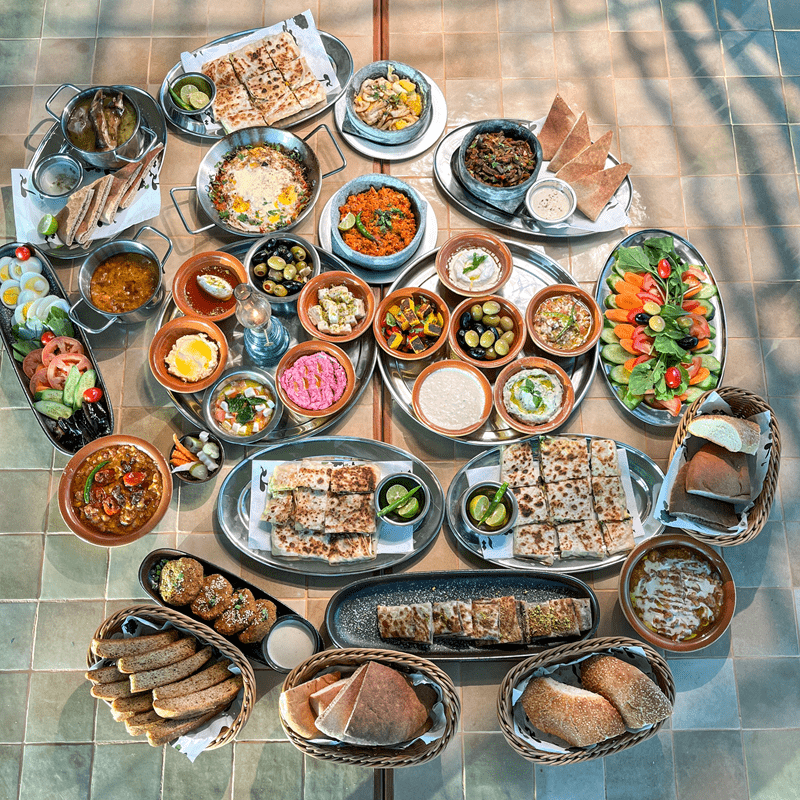
A lot of food movements start small and then ripple outward. Think of the wave of fermented foods. Or the sudden obsession with smoky flavours. Or how Mediterranean diets became mainstream. These movements begin with passionate communities that want the world to taste what they treasure.
The current world food movement is all about exploration. People want lighter options, deeper flavors, and ingredients that feel both traditional and innovative. It’s influencing what we stock in our pantry, the way we meal prep, and what weekend cooking looks like.
Sometimes, people don’t even realise they’re following a trend. They just know that the flavours they’re cooking with feel exciting and new.
Trends aren’t only about ingredients. They’re also about how people cook. Slow-cooking, smoking, cold-infusing, flash-frying, and pressure-cooking have changed the pace and style of home kitchens everywhere. When cooking methods spread across borders, flavors shift too.
A technique that was once unique to a single region can become part of everyone’s weeknight rituals. This cross-pollination sparks fresh ideas and fuels further trend cycles. And because the world is so connected, these techniques spread faster than ever.
Something interesting is happening in the food world. People want comfort, but they also want a thrill. This push-pull relationship shapes many global flavor trends and makes them relatable for everyday cooks.
Someone might cook a classic tomato soup but add a spoonful of spicy harissa. Or prepare grilled chicken but finish it with yuzu sauce. It’s familiar but bold.
These tiny tweaks turn standard meals into something memorable. And they help hesitant home cooks feel like they’re experimenting without risking a total kitchen disaster.
Modern kitchens have access to things previous generations couldn’t imagine. Ready-made spice blends, plant-based options, smart ovens, global sauces, and restaurant-grade ingredients. This massive growth in food innovation is a big reason why new flavours spread quickly.
Even busy people can try exciting recipes because the tools and ingredients are easier to find. This accessibility makes trends more inclusive. You don’t need a professional kitchen. You just need curiosity and a little confidence.
Every trend eventually hits a moment where people wonder if they’re losing the essence of a dish. But true food lovers know that keeping tradition alive doesn’t mean shutting out new ideas.
Instead, it means understanding where a flavour comes from and then giving yourself permission to play with it.
In many homes, a simple experiment becomes a long-term favourite. That’s how cooking evolves. One new flavour at a time.
Trends aren’t just fancy ideas for top restaurants. They also shape everyday choices. What you buy in the supermarket, what recipes you save, and what you crave during the week.
If a trend resonates with you, it might become part of your routine. If not, you move on. But even then, you carry the memory of that flavour, and it may influence something else you cook later.
Food is emotional. And when flavours travel across the world, they bring stories with them.
Trends spread through travel, social media, and curiosity. People try a dish somewhere, share it online, and others feel inspired to recreate it at home.
Not at all. Home cooks drive many trends because they enjoy exploring new ingredients and making everyday meals more exciting.
Begin small. Try one new ingredient, spice, or technique at a time. Let your taste guide you instead of forcing yourself into trends you don’t enjoy.
This content was created by AI