


Cooking sometimes feels like guessing. A pinch of this. A dash of that. And hoping the final dish doesn’t taste like something you politely pretend to enjoy. But once a person understands how flavours naturally work together, things change fast. Suddenly, meals taste balanced. More thoughtful. More complete. And honestly, it feels a bit like unlocking cheat codes in the kitchen. That’s where flavor pairings step in. They act like a quiet guide, showing which ingredients hold hands beautifully and which ones fight the moment they meet.
This isn’t about fancy restaurant talk. It’s everyday stuff that anyone can use at home. Even a basic dinner can taste richer just by pairing flavours with more intention.
Most great dishes share a pattern. Something sweet offsets something salty. A warm spice lifts a mild base. A bit of acidity brightens heavy ingredients. When people talk about “balance,” they’re often referring to this internal structure. And while some cooks pick it up naturally, many learn it slowly, through trial and error.
Learning flavor pairings removes much of the guesswork. It explains why tomatoes and basil feel like soulmates. Why cinnamon warms apples but clashes with cucumbers. Why lemon makes seafood feel fresh but makes milk curdle. Once these small truths become familiar, creativity grows. You stop copying recipes and start shaping them.
And yes, there’s real confidence in that moment when you cook without checking Google.
Here are combinations anyone can try, even without advanced skills.
Sweet flavours often soften strong or bitter ingredients. Salt enhances natural sweetness. Acidity refreshes heavy dishes. Heat introduces contrast. When these ideas click, even a simple meal starts to taste more intentional.
Try pairing honey with soy sauce. Or strawberries with balsamic vinegar. Each blend tells a different story but follows the same principle: balance.
People assume pairing flavours is about tradition or culture. Sure, that plays a role. But a lot of it is science. Foods with similar aromatic compounds often blend well. Citrus fruits share notes with herbs like coriander. Vanilla sits comfortably with chocolate because they share warm aromatic molecules.
Before you panic, no one needs a chemistry degree to cook well. But understanding the basics helps. When two ingredients share compatible aroma families, they taste naturally harmonious. And that knowledge becomes the backbone of a simple spice pairing guide.
Try cumin with coriander. Or turmeric with ginger. Those combinations feel comforting because their warm notes overlap.
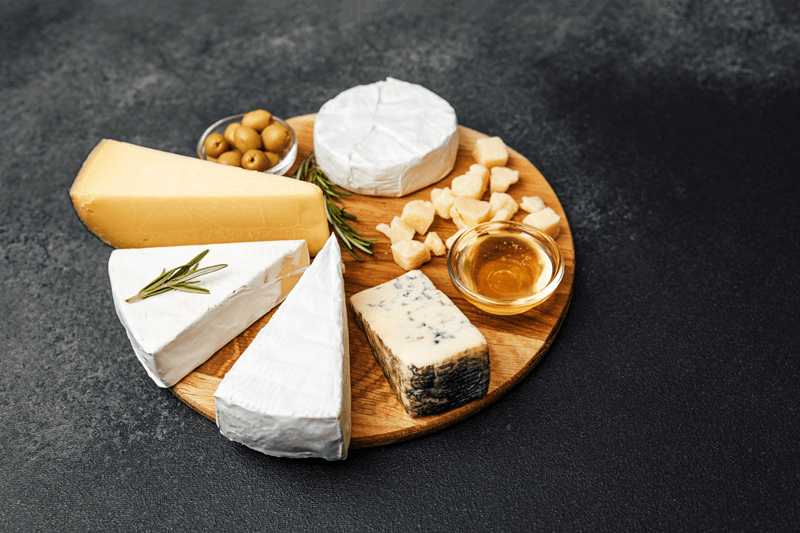
Sometimes flavours pair beautifully because they’re opposites. Think salty cheese with sweet fruit. Or spicy chicken with cooling yogurt. Opposites create excitement on the tongue. It wakes up the palate and keeps things interesting.
This is where sweet savory combos shine. Maple syrup on crispy bacon. Watermelon with feta. Dark chocolate with sea salt. These mixes work because the sweetness softens the savoury notes. And the savoury elements keep sweetness from feeling childish.
When used carefully, contrast becomes your secret weapon.
This whole idea doesn’t stop at a few cute combinations. It becomes a mindset. Once someone understands balance, cooking shifts from stressful to creative. Suddenly, they see possibilities. What would citrus do here? Could a warm spice help this feel fuller? Does this heavy dish need something crisp or acidic?
Here’s where the keyword flavor pairings genuinely matters. It reminds you cooking is not just mixing ingredients but building harmony. The right combination turns a simple meal into something memorable.
You can start with tiny adjustments. Add a squeeze of lemon to creamy pasta. Mix fresh herbs into plain rice. Pair cinnamon with sweet potatoes. These little moves create depth without complexity.
Seasonal cooking naturally encourages smart pairings. Winter offers earthy vegetables that match well with warm spices. Summer brings bright fruits that love acidity and fresh herbs. Even a basic spice pairing guide becomes richer when ingredients are at their peak.
When cooking with seasonal produce, don’t overthink it. Let the ingredient lead. If the fruit is sweet and juicy, pair it with something crisp or tangy. If a vegetable is mild, add a warm spice to wake it up. This approach keeps dishes fresh and avoids repeating the same flavours month after month.
There’s no need to complicate things. A few simple flavor balance tips can change everything:
And if the dish feels chaotic, simplify it. Remove competing ingredients. Let one or two flavours lead. Cooking harmony often comes from restraint, not excess.
Try making a simple soup and adjusting one element at a time. Taste. Add acid. Taste again. Add sweetness. See how it shifts. This small exercise teaches more about flavour than any cookbook.
Once someone understands the basics, experimentation becomes fun. There’s no need to follow strict rules. You start trusting your tongue. And these new taste combinations don’t need to be dramatic. Start with safe, familiar pairs, then branch out.
If you enjoy basil with tomato, try mint with tomato. If you like lemon with fish, try orange with chicken. If cinnamon works with apples, try nutmeg or cardamom. The goal is not perfection. It’s curiosity.
This is how new kitchen favourites are born.
Different cultures build flavour differently. Indian food leans on layering spices. Japanese cooking emphasises subtlety. Mexican dishes play with heat and acidity. Each style teaches something valuable.
Exploring cultural food helps expand your sense of what’s possible. You learn that lime isn’t only for cocktails. Or that cinnamon belongs in savoury dishes too. Or that herbs can be used more boldly. The more global flavours you try, the richer your own cooking becomes.
Here are foolproof pairs anyone can try:
They rarely fail because they’re naturally compatible. These pairs also help beginners understand how cooking harmony develops through balance.
It happens. Sometimes two flavours clash. Maybe the spice overwhelms the dish. Maybe the sweetness feels out of place. And that’s fine. Failed experiments teach boundaries.
If something tastes off, adjust the opposite element. Too sweet? Add salt or acid. Too salty? Add cream or starch. Too sharp? Add fat. Once you learn how to fix a mismatch, kitchen mistakes become less stressful.
Cooking becomes simpler when you understand how flavours relate. You stop memorising recipes and start recognising patterns. That shift builds confidence fast. Suddenly you can improvise. Adjust. Improve. And enjoy the process more.
Smart flavor pairings aren’t about fancy food. They’re about helping everyday meals taste better with less effort. Anyone can learn this. Anyone can enjoy it. All it takes is curiosity and a willingness to taste as you go.
They are combinations of ingredients that naturally taste good together because they create balance, contrast or harmony in a dish.
Start with familiar combinations, follow basic balance rules and taste as you adjust. Small changes lead to big improvements.
No. Each cuisine has its own style, but learning from different cultures expands your overall flavour knowledge.
This content was created by AI