

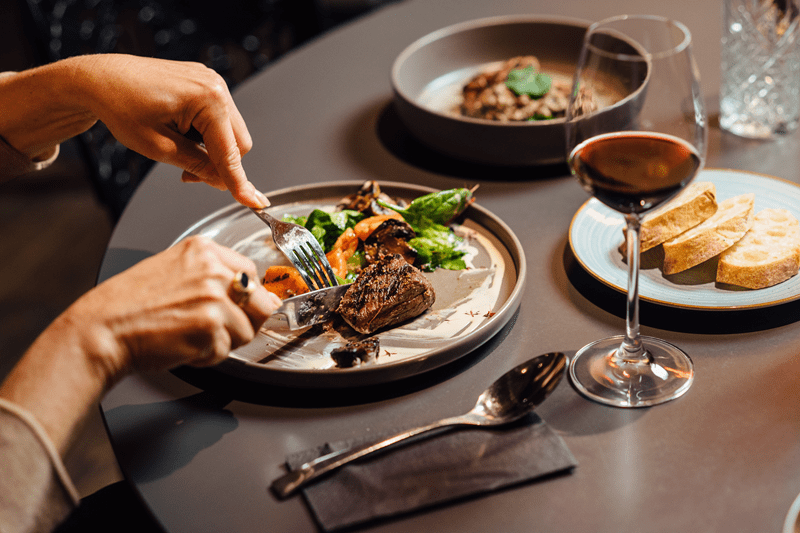
Restaurant food often tastes deeper and more exciting, and here’s the thing: it is not magic. Restaurant-inspired flavors originate from small, thoughtful choices. Within the first few bites, chef-style cooking stands out through balance and contrast. Gourmet flavor ideas and expert restaurant seasoning transform ordinary food into something truly memorable. What this really means is that elevated home meals are possible without expensive tools or years of training. Many dining trends suggest that people now want restaurant-quality taste at home, and this shift has altered the way cooking is perceived.
This article explains how restaurant-inspired flavors work and how they can be incorporated into everyday cooking. The goal remains practical and straightforward, with ideas that feel achievable and genuine.
Restaurant-inspired flavors are not about copying exact dishes. They focus on techniques, layering of seasonings, and thoughtful pairings. Chefs build flavor slowly, not all at once.
Restaurant-inspired flavors usually rely on:
Chef-style cooking is more about attention than complexity. Elevated home meals start when cooking slows down just a little.
Chef-style cooking alters the way food is prepared—heat control, timing, and tasting are more important than following strict recipes. Many dining trends show that people prefer bold but balanced flavors over heavy sauces.
Chef-style cooking often includes:
These habits enable the creation of restaurant-inspired flavors without incurring additional costs. Gourmet flavor ideas grow naturally from these small steps.
Gourmet flavor ideas may sound fancy, but they usually remain simple. Chefs focus on contrast and freshness rather than overload.
Common gourmet flavor ideas include:
Restaurant seasoning is applied in layers. This approach helps elevate home meals to taste complete, rather than flat.
Restaurant seasoning is not just salt and pepper. It is about timing and balance. Seasoning early builds depth, while seasoning late sharpens flavor.
Restaurant seasoning habits include:
Restaurant-inspired flavors depend on this balance. Too much seasoning at once can mask the natural taste.
Elevated home meals begin before cooking even starts. Prep work sets the tone for flavor.
Helpful prep habits include:
Chef-style cooking respects preparation. These steps help restaurant-inspired flavors develop evenly.
Fat carries flavor. Restaurants understand this well. Butter, oil, and cream are used carefully, not heavily.
Chef-style cooking uses fat to:
Gourmet flavor ideas often rely on small amounts of good fat. This supports elevated home meals without feeling heavy.

Dining trends shape how people cook at home. Many trends focus on comfort food with refined flavor rather than fancy plating.
Current dining trends often highlight:
Restaurant-inspired flavors reflect these trends by staying approachable. Home cooks now expect more from everyday meals.
Flavor layering is a key part of restaurant-inspired flavors. Each step adds something small.
Layering often includes:
Chef-style cooking treats each layer with purpose. Gourmet flavor ideas seem richer due to this method.
Sauces bring everything together. Restaurants use sauces to add moisture and flavor without drowning the dish.
Simple sauce ideas include:
Restaurant seasoning finishes the dish. Elevated home meals feel complete when sauce and seasoning work together.
Some habits stop food from tasting like restaurant quality. Knowing these mistakes helps improve results.
Common issues include:
Restaurant-inspired flavors need attention. Fixing these habits can significantly improve chef-style cooking.
Practice does not need stress. You can start with one habit at a time.
Easy ways to practice include:
Gourmet flavor ideas grow with repetition. Elevated home meals become a regular part of life over time.
Restaurant-inspired flavors seamlessly integrate into daily cooking. Pasta, chicken, vegetables, and grains can all be improved with minor adjustments.
Examples include:
Restaurant seasoning makes simple food shine. Chef-style cooking becomes part of routine meals.
These flavors feel satisfying because balance replaces excess. Salt, fat, acid, and texture work together.
Dining trends show that people want food that tastes thoughtful. Restaurant-inspired flavors meet that need without stress or waste.
Start with one thing. Maybe this week, you focus on salting your pasta water properly. Next week, you make a quick pan sauce. The week after, you try a new global condiment. These restaurant-inspired flavors stem from a series of small choices, not a single grand gesture.
Grab your favorite pan and think like a chef. Taste as you go. Adjust. Build those layers. Before you know it, your kitchen will be the most sought-after reservation in town, with a menu that changes nightly based on your own mood and the chef's style of cooking. The journey to incredible, elevated home meals begins with a single, well-seasoned bite.
Transforming your home cooking is entirely possible. By embracing the principles behind restaurant dishes—thoughtful seasoning, layered techniques, and inspired combinations—you turn ordinary ingredients into special meals. It’s not about perfection but about the joyful process of creating more flavor. Your kitchen is ready to deliver those restaurant-worthy moments any night you choose.
They are the deep, complex, and balanced tastes you typically enjoy when dining out, achieved at home by using professional techniques such as layering seasoning, building pan sauces, and focusing on texture and fresh finishes.
Not at all. A few good, sharp knives, a heavy-bottomed skillet, and a reliable sheet pan are the true workhorses. Technique matters far more than fancy gadgets.
Follow reputable food writers and chefs online, read well-reviewed cookbooks that focus on technique, and experiment in your kitchen. Taste everything and note what works.
No, it's about using salt wisely and employing acid, fats, and herbs strategically throughout the cooking process to build a complete flavor profile, rather than just adding salt at the end.
This content was created by AI