

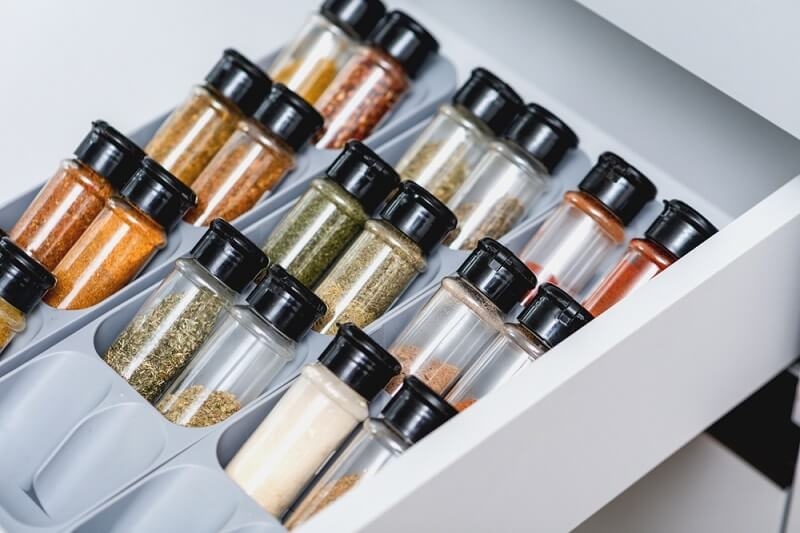
Seasoning used to be something that was done behind the scenes, with little thought given to it. Nowadays, spices define the way meals are designed, prepared, and consumed.
Here are the most significant modern seasoning trends that are transforming the use of spices in daily cooking, while also making the meal preparation process for home cooks more convenient, balanced, and exciting.
These seasoning trends today are a way of showing that spices have not only been used out of habit but also as a means of artistic expression.
The biggest change in cooking nowadays is the departure from automatic seasoning. Instead of doing it mechanically, cooks think about the usefulness of each spice in their dish. Such an intentional way of doing things helps to create even flavors without overpowering the ingredients.
Seasoning with the aim of doing so requires tasting at different stages of the cooking process. It gives room for adjustment to be made gradually, which in turn results in better control and more satisfying outputs. This outlook has become a basis for a more intelligent and thoughtful use of spices.
A lot of the cooks have chosen to go the minimalist route in their food preparation, which means they limit the number of spices to be used but ensure that these give a maximum flavor. Instead of mixing up various seasonings, they decide on just one or two that go well with the main ingredient naturally.
The method not only makes the process of cooking easier but also lessens the chances of getting confused in the kitchen. What is more, it assists cooks in becoming more knowledgeable about each individual spice, thus resulting in cleaner flavors and more consistent meals.
Creative experimentation has brought about numerous innovative methods of using spices that render them beyond their traditional roles. There are now hardly any barriers to spices as they used to be limited to particular cuisines or dishes; nowadays, they can be found virtually everywhere in meals and at any time.
Some of the creative applications that are most frequent can be summed up as follows:
Such ideas make spices seem more versatile and friendly, hence the desire to be creative without feeling that one has to meet certain expectations.
One more major change is the transition to spicy food with the emphasis on bold flavor cooking, which means that spices are no longer playing the background role, but rather, the leading one. This trend is all about deep, confident usage of seasoning that turns the simplest of ingredients into tasty dishes that the consumers will remember.
Bold flavors should not be interpreted as being limited to the hot kind. In fact, the trend is all about the use of smoky, earthy, tangy, and aromatic spices, which contribute to the enhancement of the meal by adding not only the desirable flavor but also giving it a character and, at the same time, making it more exciting and gratifying.
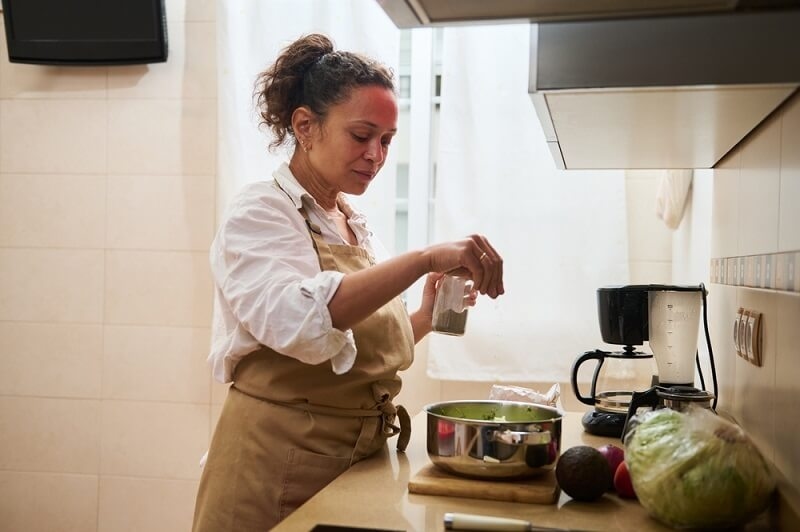
Cooking at home has been greatly influenced by the world of food in terms of where the inspiration comes from. Rather than adhering tightly to the old recipes, cooks nowadays mix the spices and techniques of different cultures to get a new meal that is both innovative and familiar.
The fusion of cultures is a reflection of the food evolution that is going on, where being creative counts way more than being strictly authentic. As global flavors get easier to recognize, spices that were once thought to be strange are now being used on a daily basis in a lot of kitchens.
Contemporary chefs are becoming more conscious of the specific time that spices are used. Rather than throwing in all the seasoning at the start, they now layer seasoning throughout the process of cooking.
Some of the widely used methods are:
The layering method raises the level of freshness and also helps the release of the spices' aroma.
Being seasoned is no longer restricted to the cooking phase. The finishing spices are now used to attract the sense of smell, give the food some texture, and make it more presentable just before serving.
This treatment lets the flavors stay strong and distinct. It has turned into the most prominent feature of the modern trend of seasoning, especially for those dishes that are supposed to be fresh and well-balanced.
The awareness of health has been a major influence on the usage of spices in the modern kitchen. The majority of cooks are cutting down on salt, sugar, and processed sauces, thus resorting to the use of spices as a source of natural flavor.
This change promotes better seasoning choices. Presently, spices are regarded as a means that can add complexity to a dish without upsetting the balance, thus making the meal both tasty and healthy.
Rather than having huge spice racks with jars that are hardly used, most cooks have decided to opt for smaller, more purposeful collections. The spices in these collections are chosen mainly for their freshness and usage.
This change makes it easier for the cooks to adopt the new spice uses, where they rely on a few seasonings with which they are familiar.
Modern seasoning is a very engaging process. Cooks taste their food more frequently, and they make gradual adjustments to the flavor rather than strictly following the measurement given.
Such a habit develops the cook's instinct and prevents the overuse of seasonings. In the long run, it results in good balancing skills and a thorough knowledge of the effect of spices on different ingredients.
One of the most significant changes in seasoning is the move away from strictly following rules towards trusting one's own preference. Rather than being concerned if a certain spice "fits" in a dish, cooks are now led by their own taste and satisfaction.
Such behavior raises an instinct in the cook and keeps him from abusing the seasonings, and thus, the fear of making a mistake is greatly reduced. Over time, it leads to acquiring the balancing skills as well as a deep comprehension of how spices influence different ingredients.
The combination of all these changes has resulted in a more intentional approach to daily cooking. Spices are no longer left aside, but have become the core of meal planning and preparation.
These new spice uses enable cooks to produce delicious meals with fewer ingredients and less time, thereby proving that thoughtful seasoning has the power to uplift even the simplest dishes.
Seasoning is nowadays largely about one’s intention, balance, and creativity. Whether it be through the minimalist methods or the more daring ones, the use of spices is very much in line with modern lifestyles and changing tastes.
By adopting thoughtful and updated spice habits, home cooks have the power to turn their ordinary meals into flavorful and memorable experiences.
They are about using the seasoning consciously, balancing the flavors, and being creative with them instead of just regularly or excessively seasoning.
It makes the flavor decisions easier, brings the natural qualities of the ingredients to the fore, and ensures the consistency of the meals.
Definitely, it supports beginners in gaining the necessary skills and confidence through the use of simple methods and familiar ingredients.
The changes in the food revolve around the influences of globalization, health concerns, and food-related knowledge, which is quite easily accessible.
This content was created by AI