

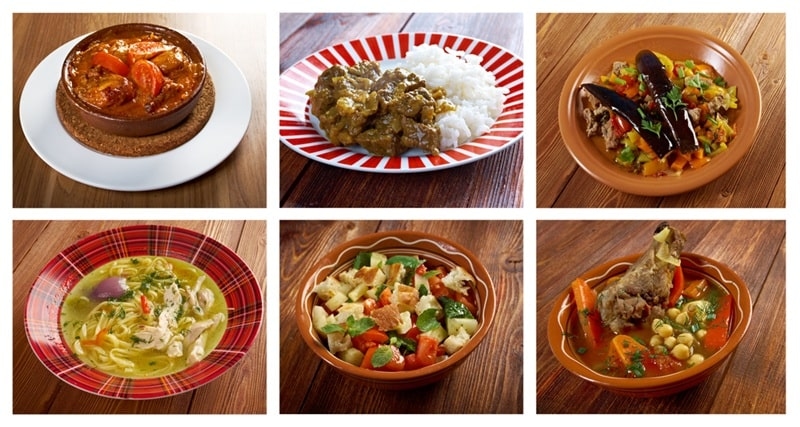
Fusion cuisine is a trend that continues to grow because food lovers want their plates to tell multiple stories. It is important to note that fusion cuisine does not consist of a random mixing of predominant cultural flavors; instead, when a chef approaches fusion cooking with respect, care, balance, and harmony, the result is a "fresh" take on what they created. Fusion cuisine combines global flavors to connect traditions, while modern cooking trends encourage cooks to experiment more freely. Cultural food blends and innovative recipes are now featured in homes, cafes, and fine dining establishments. What this really means is that food becomes playful, personal, and full of surprise without losing comfort.
This article explains fusion cuisine clearly and concisely. It examines why it works, how it originated, and how fusion food ideas can be applied at home without confusion or waste.
Fusion cuisine takes the best of multiple cultural cuisines and blends them in what is considered "harmony." Instead of creating hybrid dishes that are just combinations of different ingredients and flavors, fusion cuisine blends culinary traditions and cultural elements to create balanced and complete experiences for the palate.
Some examples of fusion cuisine include:
Creating dishes that taste harmonious through global flavor mixing—when all of the flavor compounds blend nicely together, creating a new level of enjoyment.
Fusion cuisine grew as people traveled more and cultures shared food ideas. Migration, trade, and curiosity helped flavors move across borders.
Key reasons fusion cuisine expanded include:
Modern cooking trends encouraged chefs to break rules gently. Fusion food ideas became a way to tell new stories through food.
"Fusion cuisine" is the term used to describe the combination of flavors from different parts of the globe to create a new style of eating, which embraces all the elements that each regional cuisine has to offer, thereby incorporating all these different flavors into one dish.
Examples include:
The key to successful global flavor mixing is to use individual flavors clearly and respectfully, ensuring that people can relate to different regional flavors as familiar and relatable.
To create successful cultural blends, consider the background/traditional aspects of each cooking style. Cultural Food Blends Honor Cultures—They do not take away from the culture.
Successful blends take into consideration:
Creative recipes are built upon the basis of understanding culinary history. CulturaFood Blends honors the various cultural influences, thus making them feel richer.
Modern cooking trends push fusion cuisine forward. Home cooks now try ideas that once were exclusive to restaurants.
Popular modern cooking trends include:
These trends support fusion food ideas that feel casual and exciting. Fusion cuisine now fits everyday cooking.
Some flavor pairings naturally transcend cultural boundaries. These fusion food ideas are popular because they strike a balance.
Well-loved fusion food ideas include:
Global flavor mixing is successful when textures and spice levels complement each other. Fusion cuisine should feel smooth, not confusing.
Creative recipes do not need complete reinvention. Fusion cuisine often begins with one simple twist.
Easy ways to start include:
Cultural food blends grow slowly. One thoughtful change builds confidence and skill.
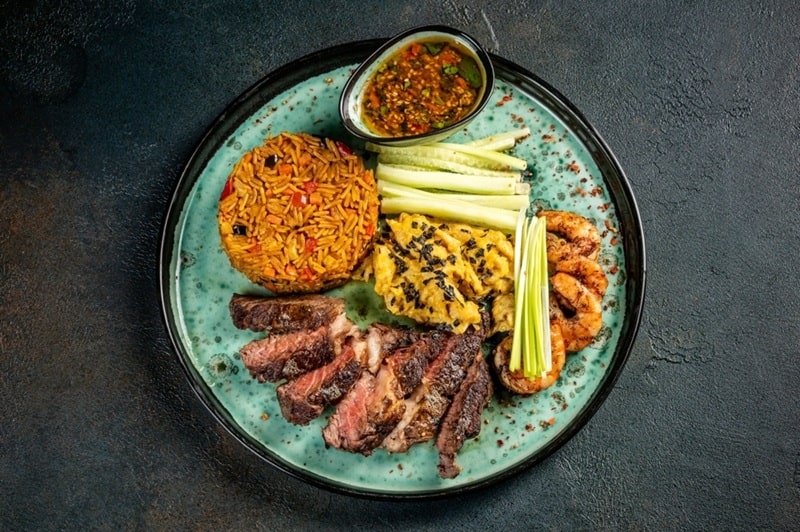
Fusion cuisine at home should feel fun, not risky. Planning helps avoid waste and disappointment.
Helpful tips include:
Modern cooking trends encourage experimentation, but balance still matters. Fusion food ideas improve with practice.
Not every mix works well. Some mistakes can block the success of fusion cuisine.
Common errors include:
Global flavor mixing needs focus. Fewer elements often create better results.
Many times, restaurants set the pace for fusion cuisine; however, home cooks adapt fusion cuisine in their unique ways to suit their tastes. Restaurants typically are the first to introduce new trends (by developing the concept) while home cooks are more interested in developing comfort food.
Differences include:
Creative recipes should fit the setting. Fusion cuisine works best when it feels natural to the cook.
Fusion cuisine feels exciting because it surprises the senses. Familiar foods taste new again.
Reasons people enjoy fusion cuisine include:
Modern cooking trends show that people enjoy food that tells more than one story.
Global flavor mixing will continue shaping how people eat. As cultures interact more, food becomes a shared language.
Future fusion food ideas may include:
Cultural food blends will continue to evolve while respecting tradition.
Fusion cuisine does not replace traditional cooking; rather, it complements it. It adds another layer. Traditional dishes stay important, while fusion food ideas offer variety.
Balanced cooking includes:
Fusion cuisine works best alongside tradition, not instead of it.
Fusion cooking can be described as an ever-evolving and personalized approach to cooking. You get to combine the comfort and warmth of familiar ingredients with the excitement of the unknown. By trying new ideas that involve blending two distinct cultures or regional cooking styles, you will be continuing the legacy of global food combinations for generations to come.
Plus, you will be able to create your own personal story through your creative mixtures. So grab a frying pan, choose two of your favorite ingredients, and begin combining them! Your favorite fusion recipe is waiting for you!
Fusion cuisine is a style of cooking that combines ingredients, techniques, and flavors from two or more different culinary traditions or cultures into a single dish.
The California roll is a famous example. It combined traditional Japanese sushi techniques with the use of avocado, a fruit widespread in California, to create a new dish that introduced many to sushi.
While it's a current trend, the practice of blending foods from different cultures is actually an ancient one. As long as people travel and share, fusion in some form will likely continue to evolve.
Begin with a dish you know perfectly. Change just one major component, like the sauce or a main spice. This small change helps you understand how flavors interact before making bigger swaps.
This content was created by AI