


Spicy food trends are fast becoming mainstream, having risen from their former status as the preserve of spice enthusiasts; they are now one of the key determinants of the current culinary era. In the wake of restaurateur, kitchen, and food product innovations, customers are increasingly influenced by various spice food trends that continue to alter the way the taste experience is realized.
Current trends involving spicy food incorporate tradition with innovation. Chefs and food enthusiasts are warming up to dishes that highlight heat, keeping pace with developing trends involving chili food, becoming part of the international phenomenon involving bold spices, incorporating innovative ideas for spicy sauces, and learning about advanced methods for preparing dishes with heat.
As consumers seek more intense sensory experiences, spicy food trends continue to rise, not only due to the burning sensation it causes, but also because of its complexity, depth, and backstory that every spicy bite holds.
Recipes that contain spiciness are most sought after because of the excitement spiciness adds to food. Restaurants rely on spiciness trends to remain unique within the competitive environment. Consumers also seek food that is beyond the ordinary.
Global travel options, combined with food culture advancements facilitated by technology, have exposed consumers to the trends associated with chili foods from Mexico, Korea, Thailand, and India. This drives the spicy food trend as chefs are inspired to add depth rather than burn the palate. On the other hand, spicy dishes are adaptable, as customers can customize the spiciness without compromising the taste.
As social media sites and food bloggers highlight extreme and fiery dishes, the trend of spicy foods has become a culinary declaration and a social marker of the adventurous type.
Heat-focused dishes are setting new trends in comfort food, fine dining, and fast food. Currently, rather than being one-dimensional, today’s heat-focused dishes exhibit harmony in terms of spiciness, sweetness, acidity, and umami, which define new spicy food trends.
Beginning with Nashville hot chicken and pasta infused with chili, as well as hot breakfast bowls, spicy dishes are found in every meal type. Thus, these dishes comply with modern cooking methods, focusing on developing cooking skills over time and combining different elements to produce a more enjoyable taste experience.
With the help of these spicy-focused dishes, customers experience the elements of heat, intensity, and fulfillment, ultimately being the reason why spicy food continues to trend and become popular every year.
Food trends in chili culture today are at the center of spice culture. Various chili types, such as the habanero chili, the ghost pepper chili, the gochugaru, or the ancho chili, have diverse flavors that are more than just the spicy touch found in spicy food trends.
As food trends regarding chilies continue to evolve, chefs are currently exploring the use of roasting, fermenting, and smoking chilies. This is enhancing the spicy food trend, where the history of the flavor rather than the spiciness is of utmost importance.
The trend of chili foods, found in both street food and high-end kitchens, influences sauces, marinades, oils, and rubs, thereby emphasizing their increasing acceptance in global spicy food trends.
The bold spice movement is about confidence, creativity, and self-expression. Although heat is a critical component, its importance is in balance and complexity, which are fundamental to any spicy food movement.
Spices such as cumin, coriander, Sichuan peppercorns, and smoked paprika pair with chilies to offer a diverse range of flavors. This is directly associated with the modern principle of "heat" cuisine, in which spices are roasted and used accordingly.
While the growing movement of bold spices continues, the way spicy food is trending is no longer about shock but refinement and excitement for a particular crowd of culinary enthusiasts and newcomers to the scene.
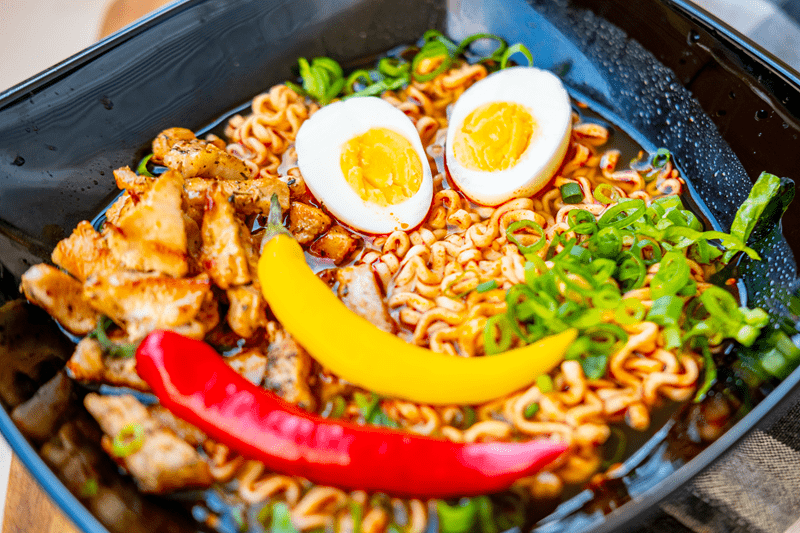
Spicy sauces have emerged as a new force in the culinary world, defining the experience of spiciness in everyday food. Starting from chili paste to spicy dressings and sauces, these ingredients have made spicy food trends possible.
Artisanal brands and home chefs enjoy experimenting with international flavors to blend chilies with fruits, herbs, and vinegars. This helps the sauces complement dishes centered on heat with snacks and meals.
With the evolution of condiments, spicy sauces have remained an integral part of spicy food trends because they provide an element of flexibility and do not require any culinary skills whatsoever.
Modern Heat Cooking: Modern Heat Cooking is the evolution of spice use made possible by modern cuisine. Modern Heat Cooking does not involve the use of hotspots; it emphasizes timing, depth, and accuracy. Modern Heat Cooking influenced the trends of today's spicy foods.
This method guarantees that the flavors are elevated by heating rather than obscured. Chefs use chilies earlier in recipes for added depth of flavor or finish dishes with fresh chilies to add brightness to foods. New Heat cooking combines heating with fats, acids, and sugars.
This means that spicy food trends come across as elegant, accessible, and feasible rather than extreme.
Absolutely. The trend for spicy food has transformed the home kitchen. Home chefs are now experimenting with spicy food sauces, learning about chili food trends, and even attempting to recreate restaurant-style spicy foods in their own kitchens.
The availability of ingredients and instructions online also supports the “bold spice” movement. At the same time, modern heat cooking methods are known to help home cooks control the spiciness of their meals.
Consequently, the trends surrounding spicy food become feasible, enjoyable, and well-integrated in meals.
The future of spicy food trends will be based on personalization and sustainability. Consumers will be interested in regional chilies, spicy sauces, as well as heat inspired by different cultures.
As awareness about health increases, heat cooking will promote the use of spices not merely for their flavors but for their healthcare benefits too.”
The spice revolution will not only experiment with food but will also keep the traditions alive.”
One thing is that trends involving spicy food are set to continue as a significant influence on global eating trends.
Trending sauces are shaping the future of flavor by turning everyday meals into memorable experiences. From popular sauces to restaurant-inspired sauces, modern condiments now deliver bold taste, versatility, and creativity. By embracing sauce flavor trends and bold sauce ideas, home cooks and food lovers can elevate simple dishes, experiment confidently, and stay ahead of evolving flavor trends.
Spicy food trends are on the rise due to global cultural exchange, the influence of social networking sites, and the demand for flavors that create dramatic culinary experiences.
Yes, hot-focused dishes can be changed to meet spice levels, making it very convenient to cook with.
Spicy sauces can be adjusted to suit one's taste and provide a quick solution for those who want to follow spicy food trends without dedicating years to learning culinary expertise.
Today, heat cooking emphasizes the subtlety of spice, using it to enhance the meal without overwhelming it.
Yes, the "bold spice movement," while seeming to be a reaction to a trend, is a sign of a long-term shift in cooking towards a globally confident and flavorful approach.
This content was created by AI