

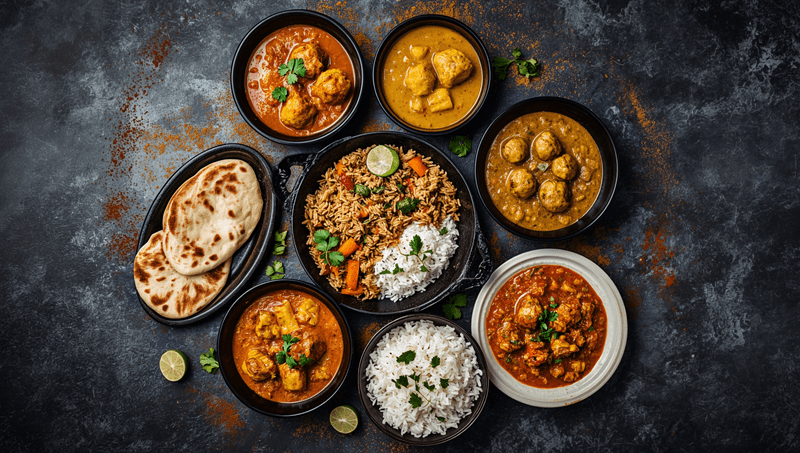
It may seem overwhelming at first, but Indian cuisine is actually quite simple. By learning how to cook some common beginner’s Indian recipes, you will find that Indian cooking can be a relaxing and fun experience. Some recipes offer an understanding of basic methods, very mild Indian cuisine, and straightforward Indian recipes that do not overwhelm the novice cook. In general, learning simple and effective methods will help you become confident as you develop your personal style of cooking Indian food.
The purpose of beginner Indian recipes is to take away the fear associated with cooking. You can create these dishes with minimal amounts of spices, and you will develop a sense of how flavors build over time. The focus on the basics makes it easy for even a new cook to enjoy a warm and comforting dish.
Patterns of flavor in recipes from Indian cuisine are repetitive, so as you learn to recognize these repetitive aspects of Indian cooking better, the easier it becomes to prepare meals with Indian flavors. Basic knowledge of cooking Indian food includes using low, slow heat for cooking, various basic spice blends, and one-pot cooking techniques; thus, you have a convenient way to learn how to prepare delicious meals without being too tricky or complicated.
Some reasons these recipes work well for beginners include
Easy Indian meals focus more on understanding heat and timing than on strict rules. That approach helps new cooks feel relaxed instead of stressed.
Before preparing a full meal, understanding the basic principles of cooking with the right spices in India can provide a good guide to avoid common mistakes. The basic principles of cooking Indian food are evident in almost every beginner Indian recipe, serving as foundational aspects that contribute to the deliciousness of Indian food.
Key Indian cooking basics include:
Indian cooking basics also teach patience. Rushing often results in harsh flavors, while slow cooking creates a more balanced taste. Mild Indian dishes depend heavily on these basics to taste smooth and comforting.
Many beginners may find the idea of using exotic spices very daunting; however, many spice starter recipes are easy to use and customized to help with this hesitation by using small amounts of spices and easing the cook into learning how each spice tastes and acts within the dish.
Typical spices used in spice starter recipes include:
Spice starter recipes illustrate how the aroma of spices evolves as they are heated in oil. Beginner Indian recipes often employ this method, which helps new cooks gain confidence quickly. Mild Indian dishes typically omit chili or use it sparingly.
Not all Indian cuisine consists of spicy dishes; instead, these dishes focus more on balance and comfort than on heat, which makes them a good choice for beginners and families who prefer subtle flavors over strong/spicy ones.
Popular mild Indian dishes include:
These dishes demonstrate how fundamental Indian cooking techniques create depth without overwhelming the palate with spice. Beginner Indian recipes often start with mild meals because they feel welcoming and familiar.
Many easy Indian meals use ingredients already found in most kitchens. This makes cooking feel less intimidating and more practical.
Common ingredients used include:
Easy Indian meals save both time and money. They also reflect traditional Indian home-style food, where meals are simple, filling, and prepared daily without stress.
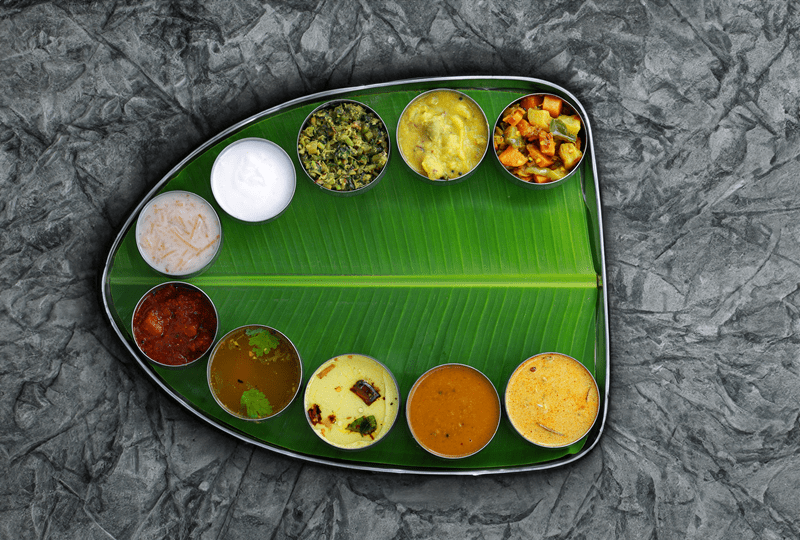
Home-style Indian food is very different from restaurant food. It is softer in flavor, lighter in oil, and meant for daily eating. Beginner Indian recipes closely follow this style.
Features of home-style Indian food include:
This style makes Indian cooking basics easier to learn and understand. Home-style Indian food feels comforting and realistic for everyday kitchens, which helps beginners stick with cooking.
Breakfast meals stay light and warm. Beginner Indian recipes for mornings avoid heavy spices and long cooking times.
Easy breakfast ideas include:
These meals introduce spice starter recipes in tiny amounts. Indian cooking basics are presented here without pressure, making breakfast a great time to practice.
Lunch and dinner bring fuller meals, but even beginner Indian recipes remain simple. These meals focus on balance and comfort.
Easy options include:
Mild Indian dishes are well-suited for daily meals and family gatherings. Easy Indian meals also reduce cleanup, making cooking feel more manageable. Home-style Indian food truly shines during lunch and dinner.
Mistakes happen while learning beginner Indian recipes, and that is normal. Knowing common errors helps prevent frustration.
Common mistakes include:
Indian cooking basics solve most of these problems. Spice starter recipes teach control over time, while mild Indian dishes forgive minor errors.
Planning helps beginners cook with less stress. Beginner Indian recipes fit well into weekly meal planning.
A simple plan may include:
Easy Indian meals handle leftovers well. Home-style Indian food often tastes even better the next day, as the flavors have had time to settle. Mild Indian dishes work perfectly for this approach.
Beginner Indian recipes do more than feed people. They teach skills that last. Timing, spice balance, and patience all improve with practice.
Indian cooking basics stay useful forever. Spice starter recipes prepare cooks for stronger flavors later. Mild Indian dishes train the taste buds gently. Easy Indian meals slowly become part of the daily routine.
This approach fosters trust in the kitchen and alleviates fear of cooking.
Beginner's Indian Recipes gives beginner-level cooks confidence in the kitchen while providing them with an opportunity to learn how to make basic, mild, and easy-to-cook Indian-style meals at home. This makes it possible to create delicious, homestyle Indian food that is comforting and easy to eat every day.
They add a unique scent, but your dish will still be delicious without them. Don’t substitute dried curry leaves; they lack flavor. Just skip them.
Absolutely. Use a neutral oil, such as vegetable or avocado oil. Butter or coconut oil can also be used in some recipes to achieve different flavors.
For whole seeds like cumin or mustard, they should sizzle and become fragrant in about 30 to 60 seconds. For ground spices like turmeric, they should foam slightly for just 15-30 seconds before you add the next ingredient.
Cooking with good ventilation helps. Also, simmering a pot of water with lemon peels or cinnamon sticks can freshen the air.
This content was created by AI