

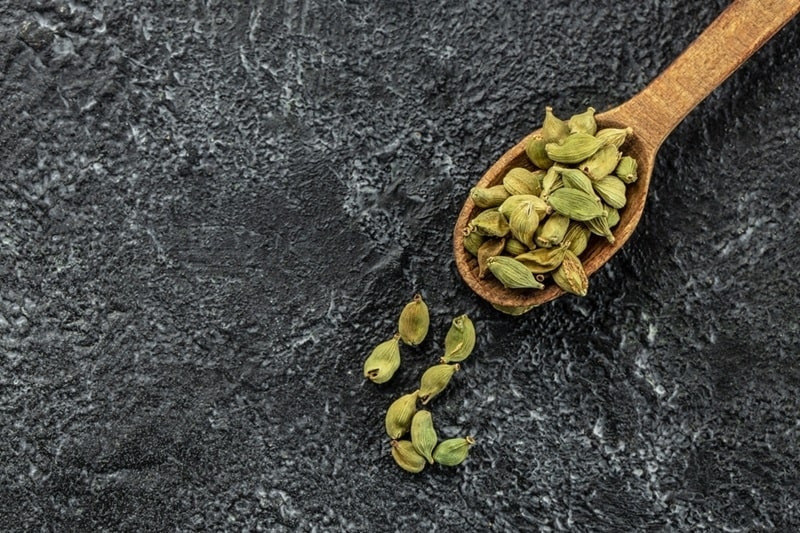
Cardamom is among those seasonings that immediately elevate a meal to one with multiple layers and complexity. The spice has been around for thousands of years and has been widely used in various culinary traditions, but still, many home chefs are not confident in its usage.
Mastering the cardamom flavor profile will turn your way of making both sweet and savory dishes upside down. This flavoring agent is not only used to give the dish a warm touch but also to bring harmony, liveliness, and a sense of profundity to the meal if it is combined with other ingredients carefully.
A typical cardamom taste description would feature light sweetness, mild bitterness, and gentle citrusy-like brightness. Also, there is a slight herbal note present, which prevents the flavor from being heavy. As a matter of fact, only in rare cases and especially if the spice is tasted separately, cardamom may be considered rather strong, but generally it goes well with other foodstuffs, and thus it is hardly noticeable.
The flavor can vary depending on the type of usage. To release the flavor slowly and softly, one can use the unbroken pods, and to get it quickly and powerfully, one can use ground cardamom. Knowing about this cardamom flavor description encourages people to make their own decisions about which form they would use, depending on their recipe and cooking time.
Cardamom is derived from the seeds of plants that are related to the ginger family and is mostly available in green, black, or white varieties. Green cardamom is the most widely used and the most flexible in terms of application, while black cardamom has a smoky feature, and white cardamom is quieter in flavor.
Having knowledge of the cardamom spice profile thus helps to understand the reasons that this spice can be used in such a diverse number of recipes.
Cardamom is one of the most scented spices on earth. The cardamom aroma notes are mostly described as floral, a bit sweet, and fresh, with the addition of the eucalyptus or pine notes. This fragrance is obtained immediately after the pods are crushed or roasted, which is why one can sense more of the cardamom scent than its taste.
All these cardamom aroma tones have a great influence on baking and beverage making. Some examples of such items are cookies, chai, or pastries, where the aroma reaches the consumer before the actual tasting, and hence the flavor perception will be different. When used properly, the smell alone can lift a dish to a higher level and make it more attractive.
Cardamom’s cooking features are what give it its high degree of versatility. The spice can tolerate both high and low heating conditions well, especially if it is in its whole form. For example, one can simmer whole pods in water or milk, use them to flavor rice, or add them to a slow-cooked dish, and still, you will not get a bitter taste.
All these cardamom cooking characteristics work together to maintain its inherent harmony and to stop it from dominating other tastes if that is the way it is used.
Cardamom gives warmth to sweets without making the dish heavy. It can be combined with almost anything, such as cinnamon, vanilla, chocolate, or even a citrus fruit. When you know what cardamom tastes like, you won't be afraid to add it, but rather you will use it to enhance the other spices already present in the dish.
The most common sweet uses are cakes, cookies, puddings, and spiced breads. A very small quantity is enough to sweeten without the need for sugar. In the right way, cardamom produces a comfortingly elegant layered flavor.
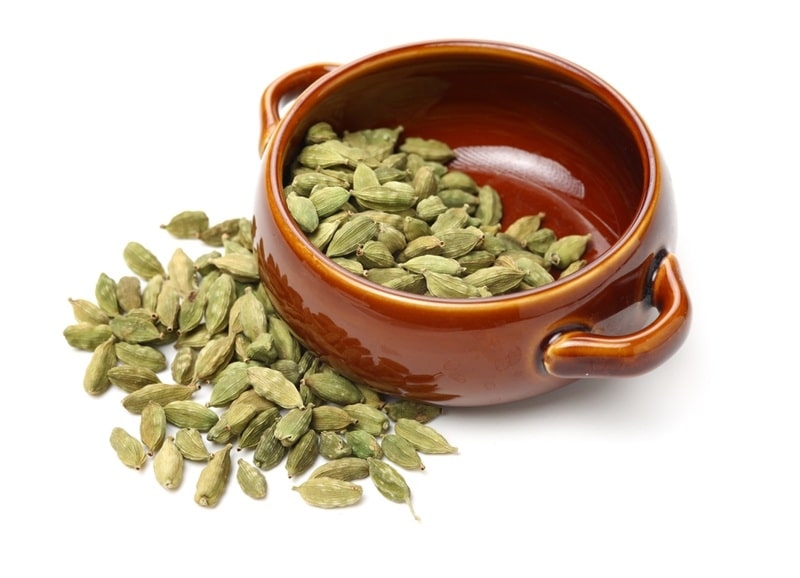
Cardamom is a great ingredient for use in savory foods as well. It goes well with rice, lentils, stews, and spice blends, in particular. The cardamom spice profile, through its freshening quality and inviting aroma, helps to balance the cream, butter, and meat-rich items.
Often, whole pods are the choice in savory cooking. They mellow their flavor over time and can be discarded after serving, which is in line with the gentle cardamom highlights for long cooking times.
You cannot make a mistake when trying out cardamom, firstly in drinks. The use of cardamom in tea, coffee, and warm milk-based drinks is due to its mild warmth. Revealing cardamom aroma notes is strongest with liquids, thus making the drinks smell delightful prior to the tasting.
By adding the minimally pressed pods to the hot beverages, one can feel the effect of slow infusion. Through this simple, low-risk way of understanding cardamom flavor, a gradual increase in knowledge is achieved.
The cardamom must be fresh. The whole pods must be green and full, not dried or light colored. The strength of ground cardamom is lost very fast, which in this case greatly affects the overall flavor of the finished dish where cardamom is used.
Keep the pods in a container that is sealed and cool and away from the sun. If you only grind what you are going to use, then you are helping to keep the cardamom spice profile as well as getting an even result each time.
There is a fear that if you put too much cardamom in the food, it will spoil the dish, and that's why many of the cooks are reluctant to use that spice. The solution is to always keep it within limits and in balance. Make a start with small quantities, tasting and adjusting as you go along.
This way of working closely with the product will lead to an increased understanding of the cardamom flavor in a natural way over a period of time. After some experience, it becomes almost instinctive for one to know how and where to put cardamom within the cardamom flavor profile, making one's cooking more confident and creative.
Cardamom is the kind of spice that never fails to satisfy those who warmly welcome and take care of her. By learning its taste, aroma, and behavior in cooking, you get a very powerful tool to lift your everyday meals.
From desserts to savory dishes and comforting drinks, cardamom provides depth without weight and warmth without being too sharp. Gradually, it may very well become one of the most versatile spices in your kitchen without you realizing it.
Both forms have their advantages. Whole pods are great for slow cooking and infusions, while ground ones are the best for baking.
One way it can do this is by playing the role of a support for spices such as cinnamon or nutmeg; however, its unique character is at its best when paired thoughtfully.
Yes, even minute quantities go a long way in making rice, drinks, and baked goods better without the risk of an overpowering dish.
Start with a pinch or one pod per dish and then gradually adjust according to your taste.
This content was created by AI