

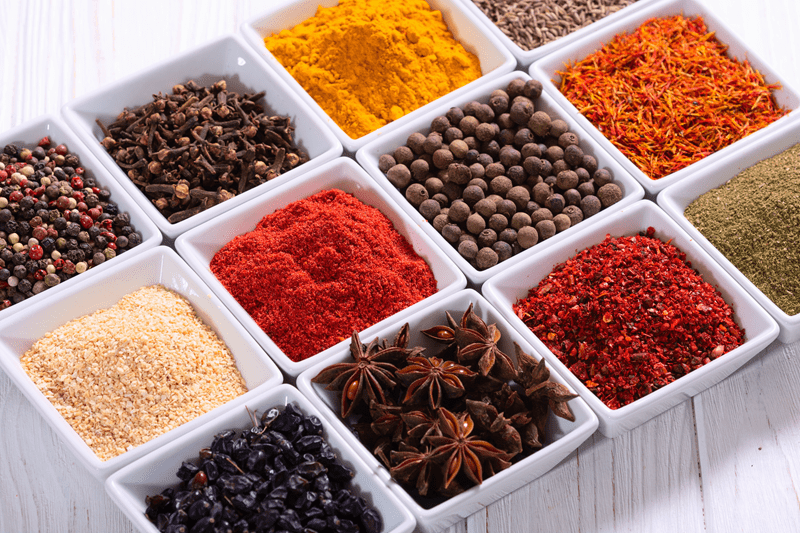
Anyone who cooks even a little knows the joy of opening a jar of fresh spices. That tiny burst of aroma feels like a promise. But the problem is simple. Spices don’t stay like that forever. They fade. They lose color. They start tasting like nothing. And sometimes, they even smell weird.
So people often ask why their dishes taste dull even though they’re using the same ingredients. Most of the time, the mistake isn’t in the cooking. It’s in how the spices are stored.
Good storage isn’t complicated. It just needs a bit of awareness, a little habit building, and a better understanding of what makes spices last longer. This is where calm, practical spice storage tips can genuinely change your kitchen routine.
Let’s start with the basics. Spices hate three things: heat, light and moisture. If you can protect them from these, you’ve already won half the battle. Many people keep their jars next to the stove simply because it’s convenient. But the heat from cooking slowly weakens their flavor.
And then there’s sunlight. It fades spices quickly. Leaves them pale and flavorless. If you’ve ever wondered why your paprika goes dull, that’s usually the reason.
This is where the keyword comes in handy: how to store spices is mostly about avoiding the common “kitchen habits” that accidentally ruin them. A shaded shelf, airtight jars and a cool corner can extend spice shelf life far more than people realise.
A lot of people underestimate containers, but they make a huge difference. Plastic, especially thin ones, lets air in. Air isn’t great. It dulls aroma and pulls moisture into the mix.
Glass jars with tight lids? Those are heroes. They block moisture, preserve smell and keep things tasting the way they should.
This is where a practical spice container guide comes in handy. Dark glass jars are even better. And if you’re buying spices in bulk, store the main batch in airtight pouches, then refill your small jars slowly. It keeps everything fresher.
At this point in the blog, the keyword spacing allows us to use keeping spices fresh for the first time in a way that feels completely natural. Because that’s exactly what the right container does. It keeps everything vibrant, colourful and alive.
The truth is, none of these mistakes feel dramatic when you’re doing them. They’re small. Subtle. Easy to overlook. But over weeks and months, they shorten the life of your spices drastically.
At this point in the text, we naturally place the second required keyword: how to store spices because this is exactly where readers look for corrective habits. Good storage isn’t about fancy equipment. It’s about awareness.
You don’t need to reorganize your entire kitchen. Start small. Move your jars away from windows. Keep them away from the oven. Store refills in moisture-proof bags.
And most importantly, label everything. Dates help. You don’t have to be obsessive about it, but knowing roughly when you bought a spice lets you judge its freshness later.
This is also where the second placement of spice storage tips fits naturally into the conversation. People love small habits, especially those they can start immediately.
The next keyword milestone arrives around now, and it’s a good moment to bring it in. proper spice storage is simply a set of intentional habits. Nothing fancy. Just a little care.
Spices don’t spoil the way fresh foods do. They don’t rot or grow mould quickly. But they do weaken. The aroma fades first. Then the flavour. Then the colour.
A quick way to test freshness is the smell test. Crush a little between your fingers and sniff. If the aroma feels weak, the flavor will be weak too.
Ground spices generally last 1 to 2 years. Whole spices can go up to 4 years or even longer. But none of these are strict deadlines. They’re guidelines that depend heavily on how you store them.
Here we place the keyword keeping spices fresh naturally again since freshness is the central theme of this section. And because people often overestimate spice longevity, it feels genuine to explain the difference.
A messy spice shelf is more common than anyone admits. Jars everywhere. Duplicate paprika. Three half-empty turmeric jars. And that one jar at the back that you bought years ago for a recipe you barely remember.
Organisation helps more than you think. When you can see everything clearly, you use things more efficiently.
Alphabetical works for many. For others, grouping by cuisine makes sense. Indian spices together. Italian herbs together. Baking spices in another zone.
And if you cook often, keeping everyday jars in a small tray you can pull out quickly is a simple trick that saves a lot of time.
This is the ideal point in the blog to insert the keyword spice shelf life for the second time. Organised shelves reduce waste and help you rotate old items before they lose their flavour completely.
Buying in bulk is tempting. It’s cheaper. It feels smart. But if you don’t use a spice often, you’re setting yourself up for loss. Bulk makes sense only when you’re using large amounts regularly, like chilli powder, turmeric or cumin in many households.
But exotic spices? Rare spices? Those are better in small jars. Once flavor is gone, it’s gone. You can’t revive it.
This is a good place to naturally place the second keyword spice container guide since bulk storage depends entirely on container choice and air-tightness.
A lot of people love bringing spices back from travel. It’s an emotional purchase. The memory of a place packaged in a little pouch. But these pouches aren’t meant for long-term storage.
Transferring them to jars as soon as you get home saves the aroma.
And if you bring back whole spices, they often keep better than ground versions. Crushing them freshly gives the most intense flavour.
This part welcomes the second placement of proper spice storage as a phrase that fits the context naturally.
Most ground spices stay fresh for about 1 to 2 years, while whole spices can last up to 4 years if stored properly in airtight containers.
Not usually. Refrigerators have moisture, which can spoil spices faster. Keep spices in a cool, dry cupboard instead.
Keeping jars too close to heat sources or allowing steam to enter the container. Both reduce flavor quickly.
This content was created by AI