

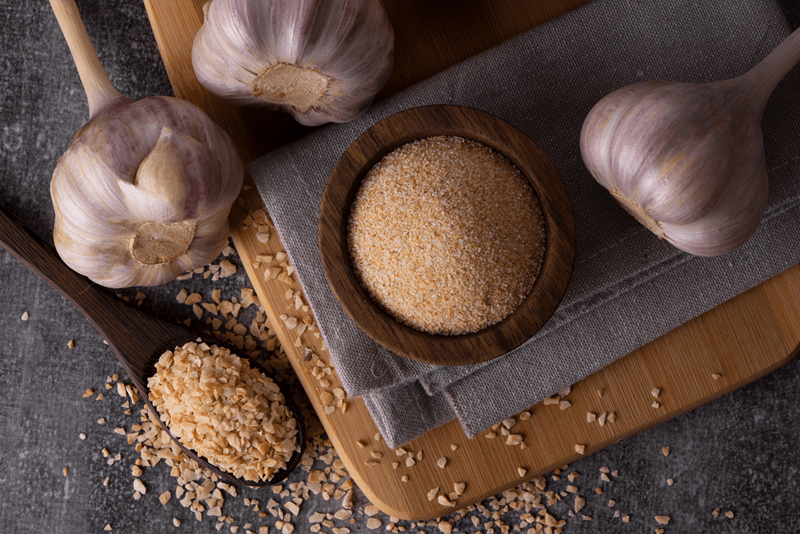
Cooking always has that one moment. You’re halfway through a recipe, onions sizzling just right, everything going smoothly… and then you reach for the garlic powder. The jar rattles. Empty. Completely empty. You stare at it like it betrayed you. For a second, it feels like dinner is doomed. But honestly, it isn’t. There are many ways to save the dish without panicking or ordering takeout. That’s where a good, reliable garlic powder substitute comes in.
Most kitchens already have at least one ingredient that can mimic garlic’s warmth, aroma and savoury depth. And even if the flavour isn’t identical, you can still get pretty close with the right swap. Let’s break down the easiest, most practical substitutes so the next time the jar disappoints you, you’ll know exactly what to do.
Before diving into the options, the trick is understanding what garlic powder actually does in a dish. It’s not just garlic in powdered form. It brings concentrated flavour, quick blending and no moisture. So when you’re replacing garlic powder, think about the purpose: do you need strong garlic taste or a subtle savoury note? Do you need something dry? Or is a fresh option okay?
Once you identify that, your choices become much clearer. Some substitutes work beautifully in soups and sauces. Others shine in dry rubs and marinades. A few options are gentle enough for picky eaters, while others pack a punch.
This way of thinking turns a kitchen disaster into a smart cooking adjustment.
Fresh garlic is the closest match, naturally. It won’t taste identical to powder, but it delivers the same familiar warmth. Just remember the ratio: 1 garlic clove roughly equals ? teaspoon of powder. So if your recipe calls for ½ teaspoon, use four cloves. Crush them, mince them or even grate them for stronger flavour.
But careful here. Fresh garlic burns quicker, especially in hot oil. Add it later in the cooking process or lower the heat. Fresh garlic also adds moisture, which can slightly change texture, but not enough to cause issues. It’s usually the safest choice in any garlic substitution guide.
If you have granulated garlic hiding at the back of a spice rack, it’s basically garlic powder’s cousin. A bit coarser, a bit more textured, but nearly the same flavour intensity. Use a 1:1 swap. This might be the easiest substitute because you don’t need to adjust moisture or ratios.
Granulated garlic is perfect for dry rubs, roasted vegetables, meat marinades and salad dressings. It dissolves slower than powder but blends well enough that most people won’t notice the difference.
Jarred minced garlic is controversial. Some people love it; others pretend it doesn’t exist. But when you’re looking for garlic powder alternatives, it’s a helpful option. The flavour is milder and slightly sweet, but it still brings garlic’s signature aroma.
Use ½ teaspoon of jarred minced garlic for every ¼ teaspoon of garlic powder. Add it directly into sauces or sautéed dishes. For dry rubs, though, this one isn’t ideal because of the moisture.
Garlic salt is basically a mix of garlic powder and table salt. The flavour is familiar, but the salt content can cause trouble. If your recipe already includes salt, reduce it before adding garlic salt.
The ratio that works best is 3:1. If the recipe needs ¼ teaspoon of powder, use ¾ teaspoon of garlic salt and remove other salt. This option isn’t perfect, but if you’re in a hurry, it saves the dish and gives a nice salty-garlic profile.
Garlic flakes are larger dried pieces that can be crushed or rehydrated. Crush them by hand or with the back of a spoon to get a texture similar to granulated garlic. Use a 2:1 ratio since flakes are milder. If the recipe is wet, let the flakes soak for a minute so they soften.
They work best in soups, stews and slow-cooked meals where they can break down naturally. They’re not ideal for finishing touches or dry seasoning mixes.
Onion powder might sound strange here, but stay with it. While it doesn’t taste like garlic, it adds the same savoury kick that garlic brings. When used carefully, it becomes surprisingly effective, especially when you’re seeking emergency garlic replacement.
Use it at half the amount of garlic powder. For instance, if the recipe calls for 1 teaspoon of garlic powder, start with ½ teaspoon of onion powder and adjust to taste. It won’t fool anyone into thinking the dish has garlic, but it gives a similar fullness and body.
Shallots taste like a cross between garlic and onion, making them perfect for delicate dishes. Chop them fine and sauté them gently. They soften beautifully and blend into sauces without overpowering other flavours.
In stir-fries, soups or dips, shallots create a smooth background flavour. For every ¼ teaspoon of garlic powder, use 1 tablespoon of minced shallots.
Chives bring a grassy, onion-like flavour. Garlic chives taste more like actual garlic and work well in dressings, dips and garnishes. They’re not strong enough for heavily seasoned dishes, but they brighten light recipes.
Sprinkle them over pasta, eggs, potatoes or mixed vegetables. They add character when you need garlic flavor alternatives but nothing overwhelming.
Leeks add a mellow sweetness that fills a similar role to garlic in soups and creamy dishes. Slice thin, sauté until soft and let them melt into the base of your dish.
For every ¼ teaspoon of garlic powder, use ¼ cup of chopped leeks. Yes, it sounds like a lot, but leeks are extremely mild, so you need more volume to match overall impact.
Some spice blends naturally include garlic or complement the flavour profile:
These won’t replicate garlic, but they create complexity that distracts from the missing ingredient and enhance flavour richness.
This option is handy when following a quick garlic substitution guide without wanting to chop or measure much.
Let’s pause here. Understanding how to use a garlic powder substitute is not about copying the exact flavour. It’s about keeping the dish balanced. Some substitutions add sweetness. Others bring more aroma. A few add extra moisture. Each option has strengths and limitations.
Once you know how each one behaves, you can choose smarter substitutes instead of throwing whatever you find into the pot.
The key is tasting as you go. That’s what truly keeps flavours controlled.
Running out of garlic powder isn’t a crisis. It’s just a small twist in your cooking routine. A chance to experiment. Most substitutes work perfectly well with small adjustments. And honestly, many people discover new favourite flavours when they replace garlic powder unexpectedly.
If the dish tastes too mild, add salt or acid. If it feels too sharp, add fat. And if something feels missing, reach for herbs or extra seasoning. Cooking is flexible. Mistakes are fixable. And creativity often starts when something runs out.
Fresh garlic, granulated garlic or garlic flakes are the closest matches, depending on the recipe.
Yes, in a pinch. It won’t taste like garlic, but it adds depth and savouriness.
Yes, but reduce other salt in the recipe because garlic salt is heavily salted.
This content was created by AI