

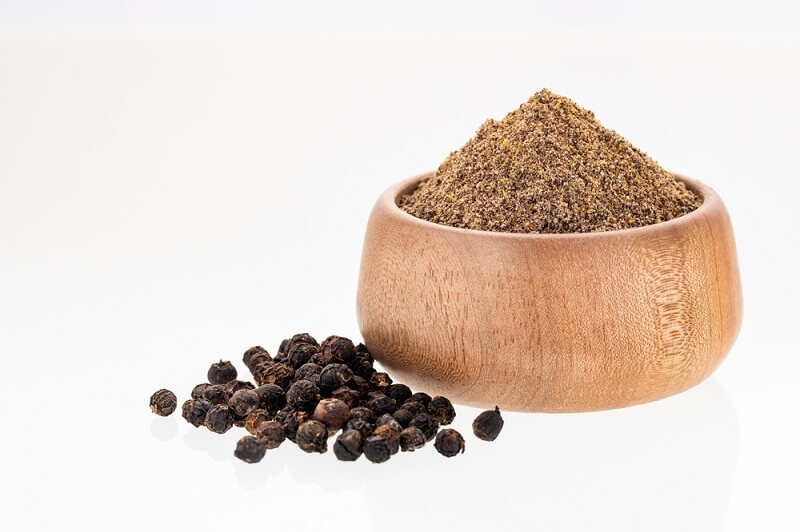
Black pepper rates high as it can be found in almost all American restaurants as an accompaniment to meals. While most people use it as a flavoring agent, scientific studies represent a benefit of consumption, as it has been shown to have several uses beyond adding flavor to food. For several decades, black pepper has been associated with traditional medicine as a result of its medicinal properties.
From aiding digestion to facilitating nutrient absorption, the black pepper advantages and piperine benefits extend far beyond a kitchen staple. Here, we examine the true black pepper benefits, pepper health properties, and the information that follows will provide the details that have led to these claims.
Commonly found in most kitchens, black pepper has a rich history originating from the dried fruits of the plant Piper nigrum. In the past, this pepper was referred to as “black gold,” and it was used as a form of currency across different continents due to its value. However, due to its prevalence, the health benefits of black pepper are relatively unnoticed.
In spite of the common and unimposing appearance of the stuff, the pepper health properties include a very impressive list of beneficial properties. The main nutritional constituent responsible for the beneficial properties of black pepper is piperine, which is responsible for its pungency.
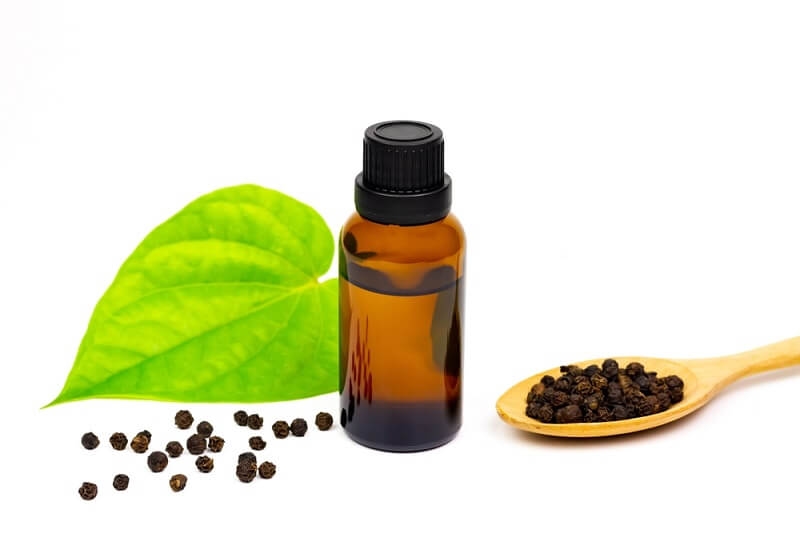
Although the amount used is small, the nutrients in black pepper make valuable contributions to our diet. In one teaspoon, there are small amounts of vitamins and minerals such as Vitamin K, iron, calcium, potassium, and manganese. More significantly, black pepper has high amounts of antioxidants and phytochemicals that promote health.
The above-mentioned elements, in combination with beneficial pepper health properties, account for why black pepper is finding increasing mentions in nutritional and health forums in the U.S.
Piperine is one of the most studied compounds within black pepper for its benefits. Piperine benefits include its ability to improve the bioavailability of different nutrients. Research shows that it is capable of improving the absorption of curcumin, selenium, vitamin B6, and beta-carotene.
This implies that adding black pepper to food not only enhances its taste, it also helps to ensure that your body derives value from all the supplements and food that you take. Among all the black pepper advantages, its role as an absorption booster has been shown to work.
Additionally, the piperine benefits include aspects such as metabolism and inflammation management; hence, this compound is of great value in preventive medicine.
One of the oldest established benefits of black pepper is digestive support. This spice is a stimulant for the secretion of pancreatic digestive fluids because it increases the body's ability to digest fats and carbs.
The benefits of pepper in the digestive sense are not limited to relieving bloating and gas. Since it promotes the proper secretion of stomach acids, it prevents indigestion, which is a concern in modern American eating habits.
In addition, black pepper may also offer some health benefits related to peppers, such as aiding in promoting normal amounts of healthy gut bacteria.
Secondly, black pepper can be noted for its support functions in metabolism. Piperine in black pepper has been researched for its ability to inhibit the production of fat cells in the human body—the process referred to as adipogenesis.
Even though black pepper is not the answer to weight loss alone, its metabolism properties help to increase the general benefits of black pepper when the right food is balanced and physical exercise is performed. Most health-conscious American consumers of healthy food blend the spice of black pepper.
Oxidative stress is associated with aging and chronic illnesses such as heart disease and cancer. Another of the lesser-known uses of black pepper is its antioxidant properties.
Black pepper has compounds that neutralize free radicals, which help in cell health. The health benefits of black pepper work to safeguard the body against external factors, such as pollution and processed foods in Western diets.
The anti-inflammatory properties attributed to the benefits of piperine may also have a role in the management of low-grade inflammation, which has been implicated in the causation of arthritis, metabolic syndromes, and cardiovascular diseases.
Preliminary findings from newly emerging research also indicate the potential of black pepper in relation to brain health. The compound piperine in the pepper extract has demonstrated its use in the promotion of neurotransmitter activities and cognitive performance.
However, some evidence has been found which suggests that piperine’s benefits may also help to improve memory and concentration, as well as facilitate dopamine and serotonin function. While more research would need to take place to further verify these claims, it’s clear that black pepper has a multitude of benefits that should not be overlooked.
Black pepper is also used in traditional remedies to treat common colds and coughs. The warming quality of pepper, combined with its antimicrobial properties, will help the body to combat any infections.
Along with the presence of antioxidants in black pepper, the nutritional value of black pepper works as an immune system booster. This makes the health benefits of black pepper very valuable during times of flu or stress.
Cardiovascular health is an important consideration in American culture, and black pepper could be beneficial. Piperine has been researched for its use in improving blood flow and preventing oxidation in blood vessels.
In addition to promoting the healthy function of cholesterol, black pepper may help decrease the risk of heart disease when combined with a healthy lifestyle.
One of the best uses of black pepper is related to increased nutrient absorption. The property of piperine enhances the bioavailability of nutrients and antioxidants present in other foods.
This can be especially beneficial for those who are supplementing their diet or follow a plant-based diet because the body may not always be able to process the nutrients as easily. This ranges from adding black pepper to all manner of dishes involving leafy greens to those involving turmeric.
Black pepper nutritional content may also include the role of antioxidants in the promotion of healthy skin. Black pepper uses may thus combat the negative impact of free radicals, which cause the various aging signs on the skin.
Certain topical preparations also incorporate black pepper extract, as the stimulating properties of black pepper are considered a health advantage in increasing circulation and skin wellness.
Adding black pepper to the daily diet is easy and very versatile. When you grind the black pepper yourself, you get a higher concentration of piperine compounds. Use this as a topping for vegetables, salads, lean meats, and even boiled eggs and soup.
The addition of black pepper to turmeric makes a wonderful combination since piperine increases the absorption of curcumin. This not only lists the black pepper advantages but also makes it a nutrient enhancer.
The benefits of black pepper are quite astounding. Ingestion in large quantities may irritate the intestinal tract, particularly if the individual has ulcers. It is a fact that most individuals can indulge in black pepper with no harm to their bodies. The negative effects of incorporating this food into one’s nutrition pale in comparison to its beneficial effects of relieving digestive problems and providing nutrients to the body.
Although it is one of the most used spices in an average American kitchen, black pepper is frequently underrated. Historically revered, with potent piperine compounds, and various pepper nutritional values, it certainly is a functional food.
Starting with the promotion of digestion and metabolic processes, right up to the support of nutrient absorption and the protection of the antioxidant system, the range of health benefits associated with black pepper impacts almost all of the body’s systems. Its availability and affordability make black pepper one of the simplest ways to incorporate the value of health within meals.
Black pepper can appear quite mundane, but it certainly is not when it comes to black pepper nutrition. There are so many black pepper benefits beyond adding it to food as an aromatic component. Black pepper contains an array of beneficial vitamins.
For whatever reason you use black pepper, whether it is a heart issue, digestion, immunity, or general health, it is clear that the black pepper benefits make it a formidable tool. With consistent use, you could easily make black pepper a potent supplement to your health regimen.
Black pepper advantages in terms of use include enhanced digestion, increased nutrient absorption, antioxidants, and metabolic support. Due to the high pepper health values contained in the spice, Black pepper ensures the nutrient absorption capabilities of the body are enhanced.
Yes, even with the liberal use of black pepper in a diet, the nutritional value of black pepper does count. This is mainly because of the presence of antioxidants, trace minerals, and biologically active components in black pepper. More importantly, the major benefit of using black pepper is that it increases the absorption of nutrients from other foods.
Eating normal quantities of black pepper is generally a safe use of pepper digestive benefits when taken. This acts as a stimulus to the secretion of the required enzymes. It also clears bloating. However, those with conditions such as acid reflux, ulcers, and sensitive stomachs ought to consume it moderately.
This content was created by AI