

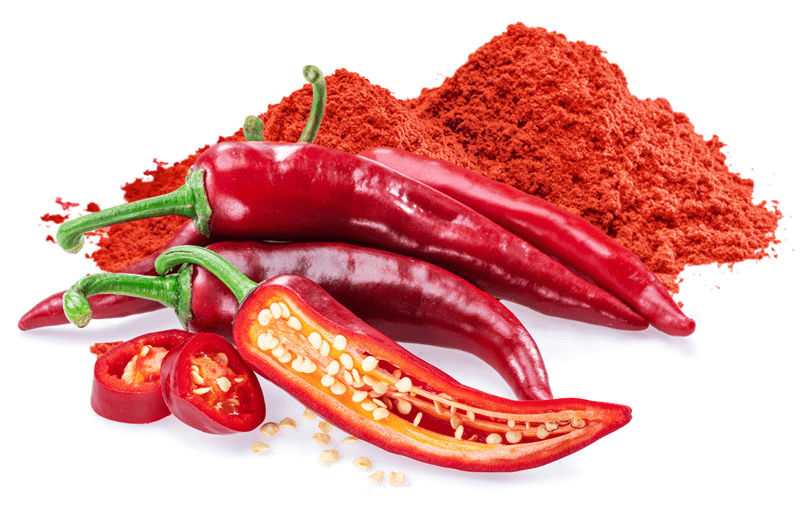
Cayenne pepper is one of the most identifiable and familiar hot flavors found in American kitchens or the restaurant industry. Famous for its immense heat and unmistakable kick, cayenne pepper not only adds spice to the plate, but it also brings character. Whether one wants to know more about the culinary capabilities of cayenne pepper or compare the intensity levels found in hot chilies, information regarding the intensity levels of cayenne pepper is crucial.
This guide to cayenne heat details all the information you require regarding the cayenne Scoville unit measurement, the cayenne pepper rating, as well as comparisons involving cayenne pepper in relation to other popular chilies in a hot pepper comparison chart. When you complete this article, you will be able to state how cayenne pepper rates in terms of heat confidently.
Cayenne pepper originates from dried and pulverized cayenne chilies, specifically Capsicum annuum varieties of chili peppers. The significant difference between cayenne chilies and cayenne pepper is that the cayenne chilies are raw, whereas cayenne pepper is a powdered spice that delivers consistent heat and reliable flavor.
The reason why cayenne is a popular choice is that it is versatile. It mixes well as a sauce, rub, soup, marinade, or spice blend without dominating other flavors. The fact that it maintains a consistent level of heat makes it perfect for a cook who wants to control the spiciness of their dish.
Starting from Southern American cuisine through Mexican to Cajun and Asian food, the intensity provided by cayenne pepper heat remains well-rounded enough to satisfy amateur cooks and chefs.
The beginnings of comprehending cayenne pepper heat involve recognizing heat measurement. Cayenne pepper is a moderately hot pepper, neither extremely hot nor mild.
Typical Carey peppers rate between 30,000 and 50,000 Scoville Heat Units. This is much hotter than jalapeños, but nowhere near as hot as other extremely hot peppers, such as habaneros or ghost peppers.
The heat value of cayenne spice represents the balance of spice, making it just right for cooking when a good amount of spice is needed.
The cayenne Scoville scale illustrates just how hot cayenne pepper is. Compared to ordinary peppers:
This rating also highlights why cayenne peppers are sometimes referred to as “assertive but manageable.” The Scoville scale for cayenne peppers confirms this rating as one that provides consistent heat without being overly intense.
A clear hot pepper guide enables the cook to determine when to use cayenne pepper versus other chilies.
The heat from the cayenne pepper has a sharper and more instant quality to it compared to the jalapeños, which have a much greener and milder taste. Compared to the serranos, the heat in cayenne pepper has more strength and pungency. However, compared to the habaneros, the heat from the cayenne
In a comparison of hot peppers, cayenne pepper ranks high among them for its consistency. In fact, the spiciness of fresh peppers is variable, but the spiciness of cayenne pepper powder is not.
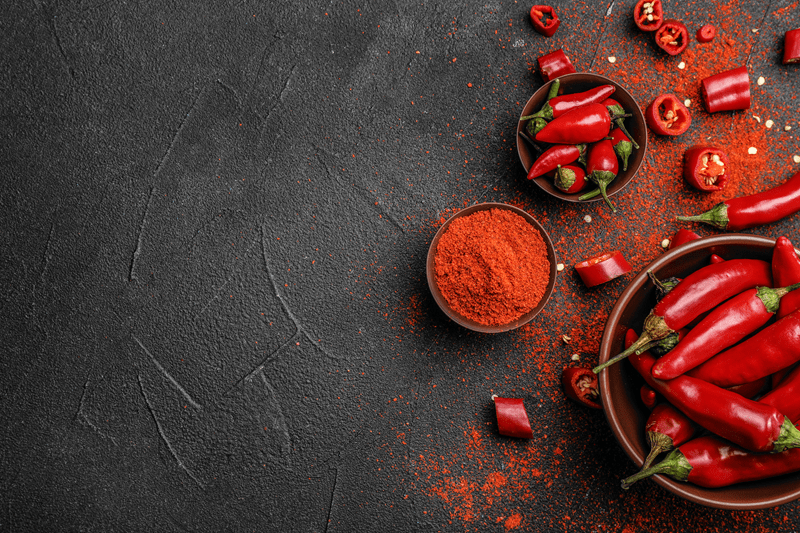
One reason cayenne pepper maintains a dependable cayenne spice rating is the drying and grinding process. Removing moisture concentrates capsaicin, the compound responsible for heat.
Commercial cayenne pepper can actually contain a mixture of several batches of chilies that are blended to stabilize and remove variability in the heat of the final cayenne pepper product. Thus, cayenne pepper is less variable than the fresh variety of chili peppers.
One Scotch bonnet pepper is equivalent to one habanero or one malagueta pepper.
In culinary use, even a small amount of cayenne pepper proves too much; a pinch is sufficient to give a dish a boost, while a teaspoon adds some heat.
Beginners should be familiar with the heat level guide for using cayenne. Begin with ? teaspoon. This type of pepper easily escalates the heat level, as seen in soups or sauces.
The rating of the cayenne spice maintains that it always produces effective results, even with limited use, which explains why it’s used in moderation. That’s why cayenne pepper has remained commonly used in
To use cayenne pepper effectively, it is necessary to respect the pepper’s potency. Due to the clean, hot flavor of cayenne peppers, it is essential to build flavors gradually instead of combining everything at once.
Tips from this cayenne heat guide:
Knowing about the Scoville scale of a cayenne helps one avoid the mistake of
Yes, cayenne pepper is definitely hotter than chili powder. This is because the mixes in chili powder contain paprika, cumin, garlic powder, and mild chilies.
In a comparison test for hot peppers, cayenne pepper has the highest heat, while chili powder has a complex flavor but less heat. This is because the heat level of cayenne pepper feels more intense compared to the others, even when taken in smaller doses.
Cayenne pepper can also lose its strength if it is not handled properly. This means it should be protected from heat, light, and air.
To extract the full heat potential of cayenne pepper, one needs to store it in an airtight container, keeping it away from the sun's rays. This ensures the heat level associated with the cayenne spice does not change for at least two years.
In addition to its use as a spice, cayenne pepper has physiological uses related directly to its pungency. Capsaicin is particularly helpful as a metabolic and circulatory aid.
Several people use cayenne pepper in health programs because it has low Scoville units measured on the cayenne Scoville scale. In essence, it has good health benefits when used in moderation.
Professional chefs use cayenne pepper, given that it maintains a consistent level of heat. This is an important characteristic, given that eating raw cayenne peppers can be surprising to the taste.
The known heat level of cayenne pepper allows for the creation of recipes using standard measurements.
Cayenne pepper is right where it should be, at the crossroads of heat, flavor, and adjustability. The Scoville scale of the cayenne pepper rating system is living proof that the pepper is hot enough to thrill yet mild enough to eat every day.
This cayenne heat scale clearly explains the reasons behind the worldwide popularity of cayenne pepper as a spice. The reason is the well-balanced heat intensity level of the cayenne pepper and the cayenne spice rating.
Cayenne pepper can be considered far spicier than a jalapeño pepper. Comparing both on the Scoville scale based on the cayenne pepper measurement of 30,000-50,000 SH units.
The Cayenne spice rating is specifically a measurement of its heat and is expressed in Scoville units, allowing for a comparison of Cayenne pepper and other hot peppers.
Yes, it is possible to use cayenne pepper as a substitute for chilies. It provides a uniform level of cayenne pepper heat without any variation in pepper flavor.
For beginners, a pinch or ? teaspoon is sufficient. This is according to the cayenne heat scale, where it is emphasized that intensity should be adjusted slowly.
This content was created by AI