

Paprika vs smoked paprika is one of the most popular questions among amateur cooks as well as professionals. Although both paprika and smoked paprika originate from dried sweet peppers, the type of paprika used influences the result. By learning the difference between paprika and smoked paprika, you will be able to spice your dishes in the right way.
Within the Spice Guide, we provide a detailed comparison between paprika and smoked paprika. You would also gain insights into the comparison of paprika types, paprika flavors, effective ways to determine the type of paprika to purchase, and a complete guide to buying paprika. The aim of the Spice Guide, therefore, is to help you make the right decision when selecting a paprika.
There is a reason why paprika and smoked paprika are considered so important, and it is because they offer a completely different experience for your taste buds. While regular paprika is made by grinding dried sweet peppers, smoked paprika is smoked over wood fires for a certain period of time and then ground.
This distinction between the different types of paprika influences not only the taste of the dish but also the aroma that is created. Aromas range from sweet and juicy to the deep bitterness of the bitter melon found in Hungarian paprika. Even the color of the dish will vary depending on the type of paprika being used.
Paprika and smoked paprika are also factors that influence food authenticity. Hungarian goulash, Spanish paella, and American barbecue recipes all depend upon different paprika tastes to ensure authentic outcomes.
A paprika vs smoked paprika comparison must begin with a paprika types comparison. Paprika can be categorized into three basic types:
Sweet Paprika: Sweet paprika has mild warmth and sweetness. This type of paprika represents the elementary version of paprika found in supermarkets.
Hot paprika has spicier peppers, which are hot. Even though it belongs to the paprika family, hot paprika has differences in paprika flavor that lean towards intense rather than smoked.
"Smoked paprika is dried over an oak or beechwood fire," giving the spice a rich and smoky scent. In the comparisons between paprika and smoked paprika, the smoked paprika emerges as the “more robust and complex" of the two.
As this comparison of different types of paprika illustrates, smoked paprika is much more than what would be described as “stronger paprika”—it is something.
Flavor variations in paprika determine the role of each spice while cooking. Smoked paprika contains mild pepper flavors, along with a hint of sweetness. Sweet paprika has sweet flavors along with mild pepperiness. Hungarian paprika contains mild pepper flavors.
The earthy, campfire aroma provided by smoked paprika, however, is a different story altogether. In instances where paprika is compared to smoked paprika, the latter acts as a supporting seasoning.
When selecting paprikas to use in a meal, it is a good idea to be able to determine whether a paprika is to be used for its heat and color or its smoky quality.
Processing techniques for paprika and smoked paprika account for the difference in taste between the two. Peppers used to make paprika are air-dried or oven-dried before grinding. This helps retain the peppers' natural sweetness.
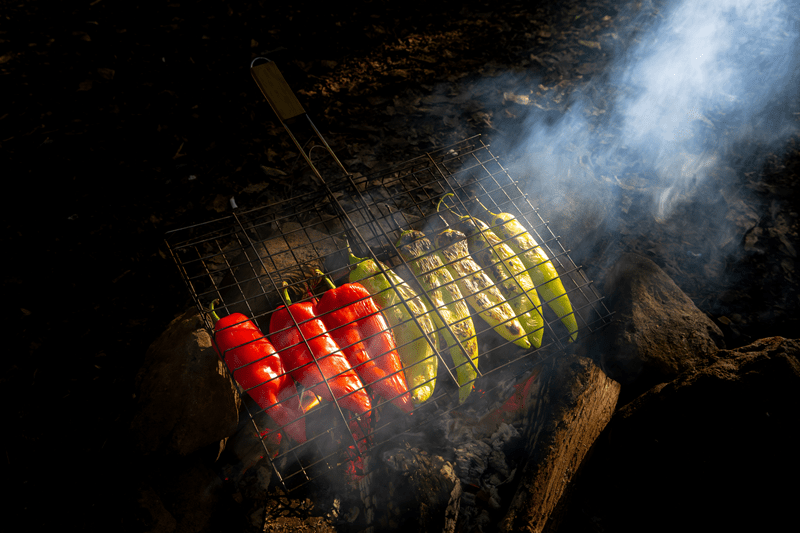
The smoking of paprika peppers occurs while they are dried over burning wood, with smoke being absorbed into them for several days. This brings about the characteristic flavor difference in paprika that chefs long for.
This difference between paprika directly affects the cooking performance. The smoked paprika tends to enhance flavors quickly, whereas ordinary paprika blends well into sauces or soups.
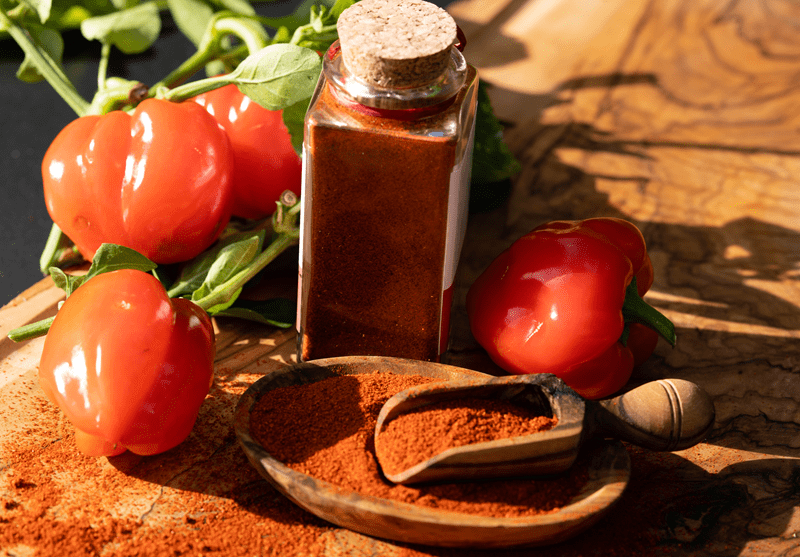
Paprika variety selection is strongly influenced by cooking techniques and dish type.
Paprika adds a lot of color and subtle flavors without overpowering the dish.
In paprika and smoked paprika recipes, smoked paprika serves as a flavor enhancer rather than a secondary condiment.
Differences among paprika types are easier to understand by looking at various global cuisines. Hungarian cuisine uses sweet paprika and hot paprika blends. Spanish cuisine uses smoked paprika.
American cooking relies on either paprika or smoked paprika, depending on recipes, with Southern recipes using the latter and traditional comfort foods using sweet paprika.
Paprika variety selection does not call for a big spice collection but does demand a game plan.
You can start with one good sweet paprika and one smoked paprika. This addresses all paprika vs smoked paprika requirements in cooking.
Check out the labels to see their source and quality.
A good paprika buying guide recommendation is to stay away from powdery paprika that is not a bright color. The lack of color will indicate an older product with minimal differences in paprika
The smart guide to buying paprika is all about quality over quantity.
By using this paprika purchasing guide, consumers will be able to make informed purchasing decisions regarding both paprika and smoked paprika for their kitchens.
Substitution is a possibility, but it must be deliberate. Omitting the smoky factor in smoked paprika using regular paprika eliminates the smoky quality. You get a different dish when using paprika in place of smoked paprika.
Substituting it: Combine plain paprika and cumin or chipotle powder to replicate the smoky sensation of smoked paprika. The trick above highlights the importance of understanding the distinction between paprika and smoked paprika to create a successful dish.
Both of these condiments contain the same values in terms of their nutrient content, which include antioxidants and Vitamin A. The differences in paprika do not affect the nutritional values, but rather the amount of the ingredient used.
Smoked paprika has such a strong flavor that even small amounts are needed, whereas in other cases, such as regular paprika, larger amounts of seasoning are required.
Storage ensures the retention of the differences in the paprika flavors. The two spices should be kept in a way that does not expose them to heat,
Smoked paprika dries faster because of the volatile elements of smoke. According to any reputable guide for purchasing paprika, smoked paprika should be replaced every six months.
Familiarity with paprika vs smoked paprika is what differentiates novice home cooks from skilled ones. Each of these spices offers distinct benefits, and their varied applications further enhance their potential.
The spice guide demonstrates that understanding the comparative aspects of paprika and selecting the appropriate types of paprika can result in high-quality food without complicated recipes.
Paprika and smoked paprika are not about what’s best; they are about picking the right instrument to play with. Paprika will add warmth and color to dishes, while smoked paprika will add striking, smoky flavors.
With knowledge of paprika flavors, a good purchasing guide, and an understanding of the differences between paprika types, you can cook with ease and confidence.
Paprika is a mild and sweet spice, while smoked paprika has a wood-smoked flavor, which gives a strong, smoky taste to food.
You can, but the flavor will differ. The smokiness in the paprika gives it the extra depth that regular paprika spice just can’t quite achieve on its own
To begin with, at least keep one sweet paprika and one smoked paprika.
Smoked Paprika is spicier than Paprika because of the presence of not always. Heat is dependent on the variety, though smoked paprika is more about smoky flavor rather than heat.
Smoked paprika would have an operational life span of six months, and paprika would be suitable for up to one year.
This content was created by AI