

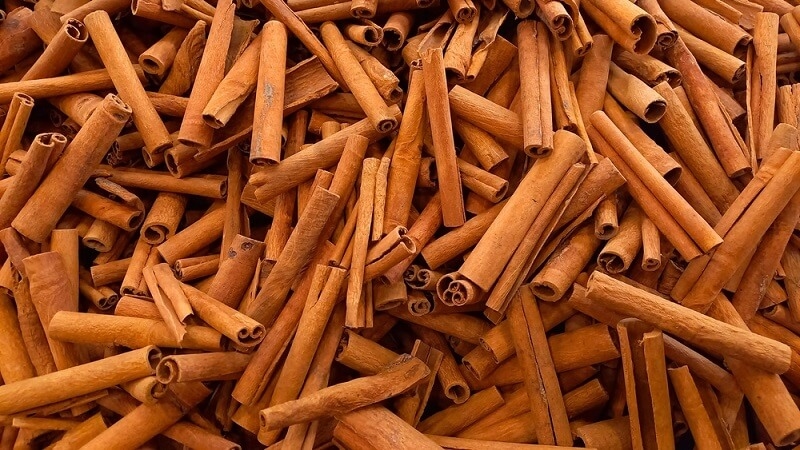
Cinnamon fits the category of pantry staples that can increase the functionality of coffee, baked treats, stews, or meals with just the touch of a cinnamon stick or sprinkle. However, it should come as no surprise that not all cinnamon is the same. This article on cinnamon types aims to educate you on the most popular cinnamon types.
Home cooks will typically grab the first spice they see on the spice rack without a second thought. Yet for those of you wondering why your cinnamon bun tastes different at the bakery vs. at home or why your chai tea is more robust at the coffee shop, the answer lies in the type of cinnamon used. A well-organized cinnamon types guide can help you make the right selection when choosing cinnamon sticks and indicate relevant health or storage considerations for using whole cinnamon vs. ground cinnamon.
This particular cinnamon types guide will highlight the ones you may come across most: the traditional split between Ceylon vs Cassia cinnamon, a tour of cinnamon types explained quickly, Cinnamon by flavor, and how to select the best cinnamon type based on your intended use.
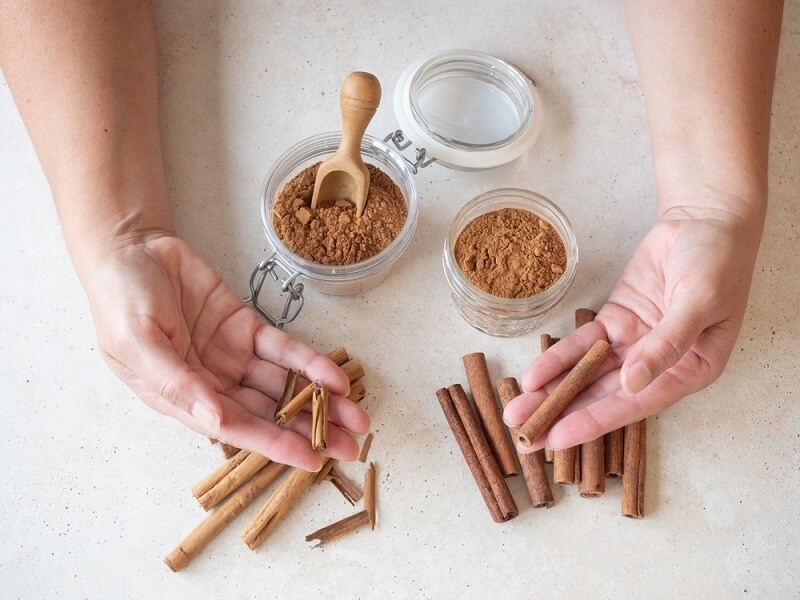
A comprehensive guide of the different types of cinnamon will cover more than the differences between Ceylon and Cassia cinnamon. Here are the most popular cinnamon varieties explained briefly to help you pick the right one:
This type of cinnamon described in this section helps you to understand differences in intensity, ranging from mild to very strong, so that you can select the suitable one for your dish.
When referring to cinnamon in the U.S., they are either speaking about Ceylon or cassia. A good way to break it down is this: Ceylon, also known as “true cinnamon,” is lighter in flavor; cassia is more robust, darker, and what is usually found in markets labeled "ground cinnamon."
"Ceylon vs. cassia cinnamon" remains the most crucial classification in any list that has various cinnamon varieties explained. Ceylon cinnamon has the inner bark of the Cinnamomum verum tree with characteristics that tend to be sweet, floral, and subtle. Cassia contains the spice Cinnamomum aromaticum or the Cinnamomum cassia tree, which has warm, quite spicy, and astringent properties that work well in traditional American baked desserts.
As a spice to use in everyday cooking, cassia is very cheap – it’s the reason many recipes include its flavor. If a subtle, delicate cinnamon-flavored taste is required (used in custards, light cookies, and Middle Eastern cuisine), turn to Ceylon.
Cinnamon flavor differences are the essence of this guide. Here are the most useful facts about cinnamon varieties explained when preparing the dishes:
With this in mind, being aware of the difference in cinnamon flavors will allow you to determine whether a dish should have a strong or lighter cinnamon flavor.
Cooks often inquire about the selection of cinnamon sticks, since the quality of the cinnamon sticks needed also influences the outcome of the intended use. This is how to consider choosing cinnamon sticks for different uses:
Sticks will keep longer than ground cinnamon. If storing sticks, it’s best to purchase them that way and keep them sealed away from light and warmth. Here the cinnamon types guide, the importance of “Whole Vs Ground” is emphasized as something that sometimes falls under skill and timing.
And if you’re wondering about the best cinnamon variety, the truth is – it all depends upon the dish you’re preparing. The following decision tree will quickly guide you towards the best variety of cinnamon for your purposes:
Such a response goes a long way in addressing the common question that exists when one has a guide on the different types of cinnamon.
Here are a few tips that could make this guide on different cinnamon types much more practical:
Health Note. Cassia has higher coumarin, a natural compound that proves toxic in large amounts, although it should not become a concern for gratifying cooking practices, yet if you are taking lots of cinnamon on a regular basis, coumarin found in Ceylon cinnamon will prove to be much lower.
A small substitution, such as selecting the correct variety of cinnamon, can elevate a dish beyond your expectations. To use as a handy guide, you just need to remember that cinnamon products come down to two main categories (Ceylon vs. cassia), look up the descriptions above if you need to know more, pay attention to your cinnamon flavors, and ponder purchasing whole cinnamon sticks.
The best cinnamon flavor differences are those that correspond to your dish, your taste preferences, and its role in a culinary product. Try it out, substitute Ceylon in a familiar cookie, mix a Saigon stick in your pot of chai, and you will begin to detect the difference that careful choice makes.
The main difference in Ceylon vs. cassia comes in terms of flavor, strength, and appearance. Ceylon cinnamon has a lighter color with thin, fragile sticks and a mild, sweet flavor. Cassia cinnamon has a dark color with heavy sticks and an immensely strong, spicy taste. Typically, U.S. ground cinnamon contains cassia, while Ceylon cinnamon comes labeled as 'true cinnamon'.
It is determined by how strongly you can or want to emphasize the use of the spice in your recipe or dish. Cassia or Korintje cinnamon can be best used for baked goods such as apple pies or cinnamon rolls because of the stronger warmth it gives off. However, when the use of cinnamon has to be toned down when you're making an actual dessert or drink, then the best kind of cinnamon would be the Ceylon cinnamon.
When choosing cinnamon sticks, observe the thickness and appearance. Thin, layered sticks are indicative of Ceylon, while thick, hard sticks curling in a solitary roll are cassia. Entire sticks are preferred when adding to liquids to give them a flavor, as they have a shorter shelf life when compared to powdered cinnamon. For those who prefer to grind their own, choosing cinnamon sticks will help.
This content was created by AI