

Oregano may appear to be a small herb, but it plays a significant role in determining the taste of food. Many home cooks pause at the spice rack or garden and wonder about the differences between fresh and dried oregano and which one works better. Here’s the thing: both are useful, but they behave very differently in recipes. This oregano comparison guide explains the difference in flavor, use, and timing so meals feel balanced instead of confusing. Understanding the differences between fresh and dried herbs, along with oregano cooking tips and the correct substitution ratio for oregano, makes everyday cooking feel more confident.
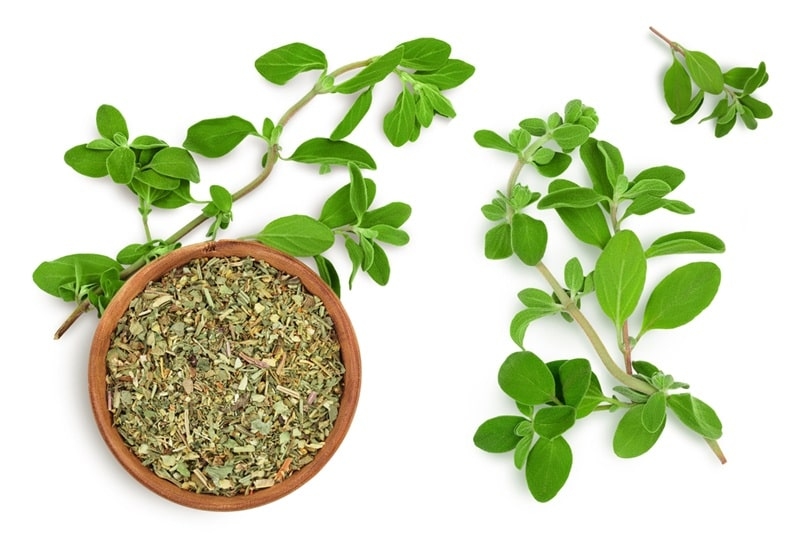
The distinction between fresh oregano and dried oregano cannot be reduced simply to their colors: fresh oregano, which has a soft feel and an almost grassy flavor, comes directly from the plant's stem and contains very little oil; in contrast, dried oregano contains the same plant matter but has also been processed (through dehydration) into many 'easier to work with' products. Thus, dried oregano provides a stronger flavor per pinch than fresh oregano and therefore offers a brighter taste.
The difference between fresh herbs and dried herbs matters because heat affects them in opposite ways. Fresh oregano loses its flavor if cooked for too long, whereas dried oregano requires heat to release its full flavor. These basics form the foundation of most oregano cooking tips.
The biggest reason people debate fresh vs dried oregano is flavor. Fresh oregano has a lighter, slightly peppery taste and a clean, natural scent. Dried oregano has a warmer, deeper flavor, sometimes with a slightly bitter taste if overused.
Key flavor differences include
This oregano comparison guide reveals that neither is always better. The choice depends on the dish and the cooking time.
Decisions between fresh herbs and dried oregano appear in daily meals more often than expected. Tomato sauces, soups, and baked dishes usually benefit from dried oregano because it blends slowly and evenly. Fresh oregano shines in quick meals where flavor should feel fresh and light.
Common uses at home include
These oregano cooking tips help avoid bland or overpowering results. Fresh vs. dried oregano should always be matched with the cooking time.
The benefits of dried oregano make it a staple in the kitchen. It lasts longer, stores easily, and consistently delivers a steady flavor. For busy cooks, dried oregano removes guesswork and saves time.
Significant dried oregano benefits include
Most oregano comparison guide articles agree that dried oregano is more forgiving for beginners. The benefits of dried oregano are what make it a staple ingredient in many classic recipes.
Fresh vs dried oregano is also about the final feel of a dish. Fresh oregano adds color, texture, and a softer taste that dried herbs cannot copy. It feels more natural and gentle.
Fresh oregano works best when
In the debate over fresh herbs vs. dried herbs, fresh oregano is more suitable for finishing touches rather than deep seasoning.
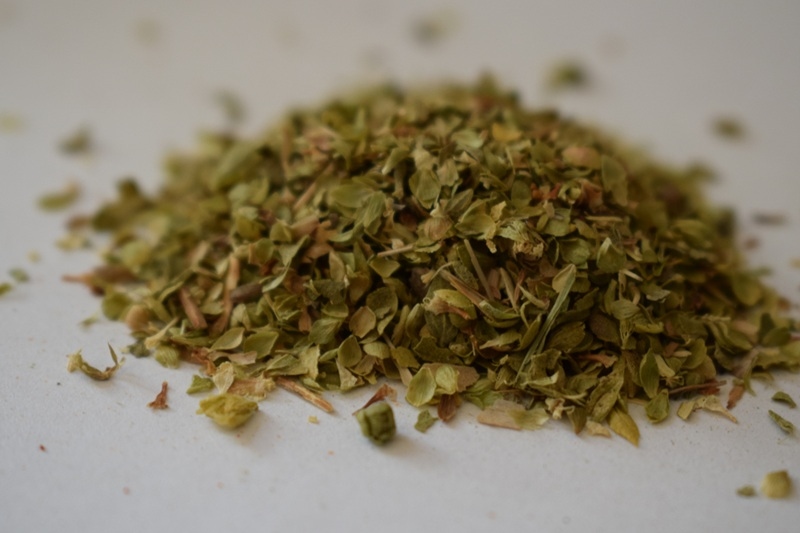
One of the most essential oregano cooking tips is knowing the oregano substitution ratio. Fresh oregano should never be substituted for dried oregano in a one-to-one ratio. Dried oregano is more concentrated, so less is needed.
The basic oregano substitution ratio is
Following this oregano substitution ratio helps keep food balanced and avoid bitterness. Most mistakes with fresh vs dried herb swaps come from ignoring this simple rule.
Fresh vs dried oregano also behaves differently in storage. Fresh oregano needs moisture and cool air, while dried oregano needs darkness and dryness.
Helpful storage tips include
Good storage supports the benefits of dried oregano and keeps fresh herbs usable for a longer period. These oregano cooking tips protect flavor over time.
Fresh vs dried oregano fits different cooking styles. Slow-cooked meals almost always favor dried oregano, as its flavor deepens over time. Quick-cooking or no-cook meals often taste better with fresh oregano.
Examples by style include
Any oregano comparison guide emphasizes that matching the herb to the cooking style yields better results.
Fresh vs dried oregano mistakes are easy to make. Adding dried oregano too late can leave the food flat, while cooking fresh oregano for too long removes its flavor.
Avoid these common errors
Simple cooking tips with oregano prevent these issues and keep flavors balanced.
Fresh vs. dried oregano is not about picking one over the other forever. Many kitchens benefit from keeping both. Dried oregano offers reliability, while fresh oregano brings freshness when needed.
A good oregano comparison guide suggests flexibility. Understanding the distinction between fresh and dried herbs helps meals feel intentional instead of rushed.
Choosing between fresh and dried oregano changes the way you cook. Fresh gives a light, finishing touch. Drying gives a deep, cooked-in flavor. Remember the simple substitution rule: one tablespoon of fresh to one teaspoon of dried. Store your dried oregano in a dark, dry location, and keep your fresh oregano refrigerated. With these easy tips, you will always pick the right one. Your sauces, soups, and salads will thank you for it.
Stored properly with stems in water and covered loosely, fresh oregano can remain vibrant for up to two weeks.
Absolutely. Tie small bunches upside down in a warm, dry, and dark place with good air flow. Once the leaves crumble easily, strip them and store them in an airtight container.
Old or improperly stored dried oregano loses its volatile oils. If your oregano lacks aroma, it is time to replace it with a new bottle for the best flavor.
Oregano pairs well with garlic, lemon, olive oil, tomatoes, and meats such as lamb and chicken. It also pairs well with other Mediterranean herbs, such as thyme and marjoram.
This content was created by AI