

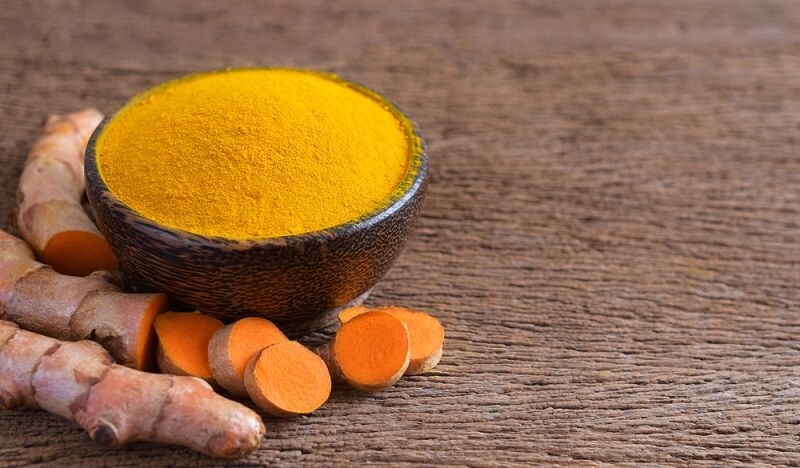
For hundreds of years, one of the essential items in the kitchen has been Turmeric, which was not only loved for its bright yellow color but also for the warm, earthy nature of the food to which it was added.
This guide explains how to incorporate turmeric into daily meals, the correct way to use it, and the reasons why it should always be available in your spice rack.
Turmeric is a versatile ingredient that you can always have on hand, and it is compatible with a wide range of common products. Little amounts of the powder can simultaneously enhance the appearance and the taste of the dish without significantly increasing the intensity.
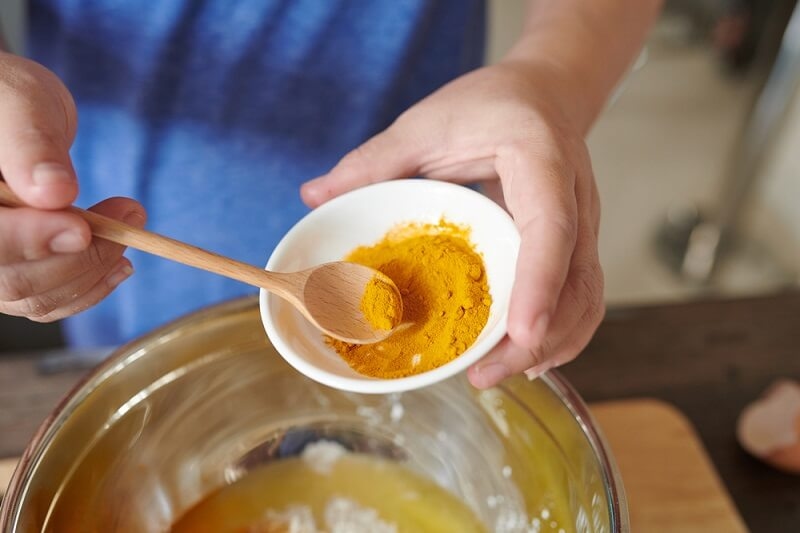
Even if turmeric is mostly linked with Indian cooking, it is equally compatible with American kitchens. Moreover, adding turmeric to your cooking is the easiest thing that you can do, as it just needs a few pinches to your already prepared food.
You may put it on sweet or regular roasted potatoes for additional color. Before baking or grilling chicken, rub Rice, quinoa, or couscous during cooking. Mac and cheese for a subtle, earthy note. Such tiny changes allow you to discover the use of turmeric in the cooking of different dishes without changing your whole menu. Gradually, you will realize in which recipe the flavor of turmeric will be the most helpful.
In the case of soups and stews, turmeric is the one that brings warmth and depth to the seasons of cold, for example, in lentil soup, chicken soup, or vegetable chowders. As regards stir-fries, turmeric is compatible with all the ingredients and thus can be mixed well with soy sauce, ginger, and garlic, giving both vegetables and proteins a more complex and delicious flavor.
Even sauces get better with the help of turmeric. The tiny amount of this spice found in salad dressings, marinades, or creamy sauces can make the taste more sophisticated without the bitterness showing up. These brief insertions bring the spice out as the most valuable player rather than the one that overpowers the dish radically.
The most common fault people commit when they decide to try turmeric in their dishes is to dump it all at once. The consequences that may arise are an intensely bitter aftertaste and a too strong color.
When used properly, turmeric can be an auxiliary flavor rather than the main one. This method makes the use of turmeric in recipes a lot more agreeable and accessible to those who are in their first cooking lessons.
It is very important to know the proper use of turmeric in your cooking, as it can change the result of your dishes dramatically. Turmeric, in fact, is the kind of spice that needs to be introduced into the food early, so it can liberate its taste and its vibrant yellow color.
While getting ready to sauté onions or garlic, throw some turmeric powder in the hot oil before proceeding with the rest of the ingredients. This is the time when the spice comes alive, gently releasing its aroma and flavor, which in turn enhances the entire dish. For slow or oven-cooked meals, the use of turmeric at the very start, when mixed, ensures the dish has the same flavor throughout.
Be careful, as turmeric is a colorant and hence may cause staining of your kitchen tools and worktop. Using stainless steel utensils and quickly wiping down your preparation surfaces keeps your kitchen looking good while you use turmeric application cooking techniques.
Turmeric is a very bright yellow powder, which is why it is often referred to as the 'golden spice'. The use of golden spices may be extended beyond main hearty meals to snacks and drinks as well.
Such use of golden spices allows you to consume small and scattered amounts of turmeric over a day. Besides that, they also help you to try out the spice in various ways without being forced to make complex dishes right away.
For you to enjoy spice mixes with turmeric powder, storage should be done properly. Turmeric is best stored in an airtight container and kept away from any source of heat, light, and moisture. This is the best way to protect the vibrant yellow color and the taste of the spice for an extended period.
When measuring turmeric, always make sure that the spoon you are using is dry; otherwise, the powder will start to clump in the container. If the powder loses its bright color or its fragrant aroma, that is probably the time for you to get a new one. Fresh turmeric powder offers the best results, especially when it is your go-to spice for everyday cooking.
Adding turmeric to your daily menu does not imply that you have to create special recipes or that you need to be a skilled professional cook. The key factors are persistence and proper dosage. Once you are accustomed to cooking with turmeric, it naturally becomes a routine to use it as much as you would salt and pepper.
Commit to one meal a day in which you use turmeric, let's say eggs for breakfast or vegetables for dinner. With time, these tiny habits will turn turmeric into your cooking staple and not an occasional experimental ingredient.
Turmeric is not only a pretty bright spice. Its mild taste, its versatility, and its simple handling make it perfect for everyday cooking.
If you are on the road to making your comfort foods better or if you are simply venturing into new flavors, turmeric will give you the depth, the harmony, and a slight touch of golden warmth with those meals you are already fond of.
Yes, they can! But keep in mind that the amount has to be small. Turmeric warms up the dish just mildly and also gives a nice yellow color, but it will never dominate the dish.
Turmeric goes well with vegetables, grains, chicken, legumes, as well as dishes made with garlic, onions, or ginger.
Yes, it is cautious to be done at the early stage so the taste can fuse with the rest of the dish and become sweeter in its development and cooking.
The majority of recipes call for from 1/4 to 1/2 teaspoon at most in order to achieve a nice taste and color without any bitterness.
This content was created by AI